Traveling with Your Pet: Tips for Safe and Stress-Free Trips
By KasPaws Team · September 3, 2026 · 5 min read
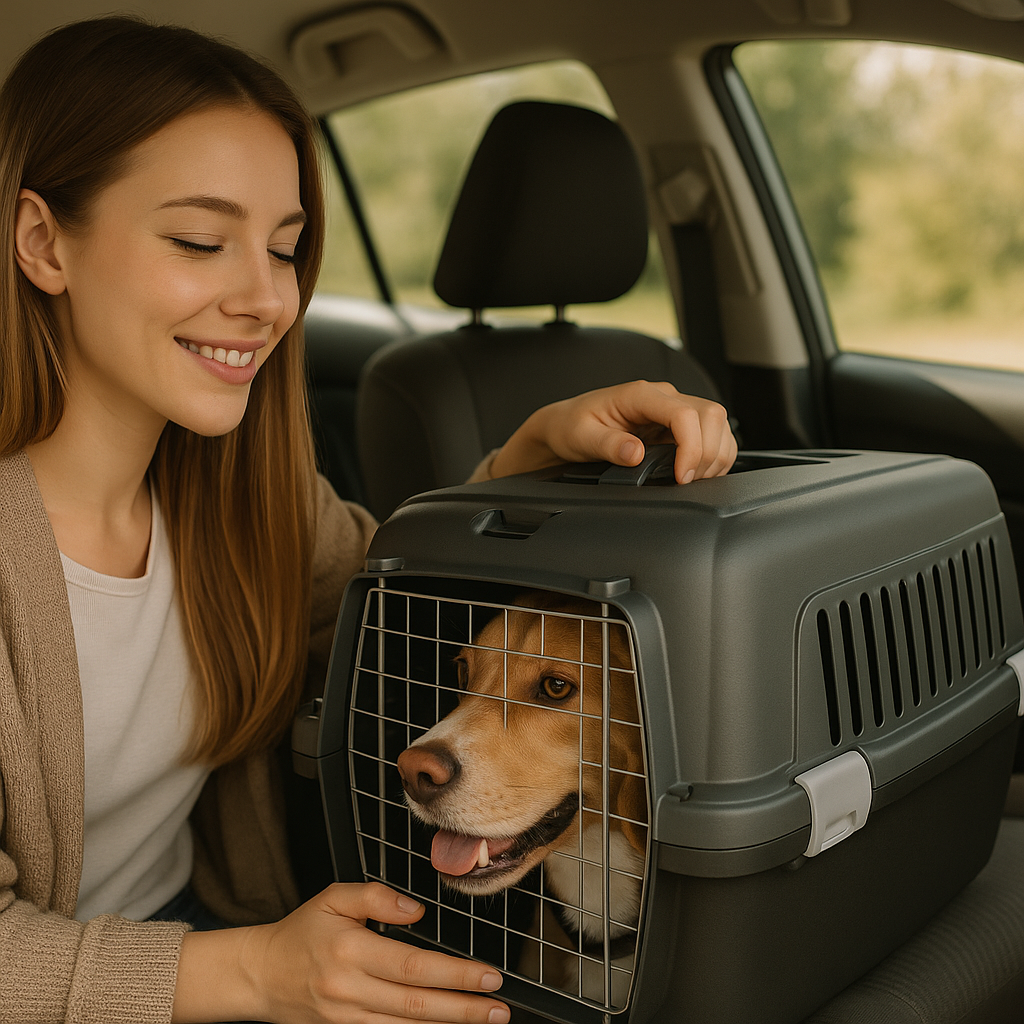
Traveling with your pet can be a rewarding experience, strengthening the bond between you and your furry companion. However, it requires careful planning to ensure both safety and comfort. Whether you're embarking on a road trip, flying to a new destination, or exploring the great outdoors, these tips will help make your journey enjoyable and stress-free.
Preparing Your Pet for Travel
Before setting off, it's essential to prepare your pet for the journey ahead. This preparation involves health checks, familiarization with travel equipment, and ensuring all necessary documentation is in order.
Health Check and Vaccinations
Schedule a visit to your veterinarian to confirm that your pet is healthy and up-to-date on vaccinations. This is particularly important if you're traveling across state lines or internationally, as different regions may have specific health requirements. According to the Centers for Disease Control and Prevention (CDC), it's crucial to check regulations and required documentation for your destination before traveling. (cdc.gov)
Identification and Microchipping
Ensure your pet has proper identification, including a collar with an ID tag that displays your current contact information. Microchipping your pet provides an additional layer of security in case they get lost. Remember to update the microchip registry with your latest contact details.
Acclimating to Travel Equipment
Introduce your pet to their travel carrier or harness well before the trip. Allow them to explore and spend time in the carrier to build a positive association. This can significantly reduce anxiety during travel.
Traveling by Car
Road trips can be enjoyable for pets if safety measures are in place. Here are some tips to ensure a smooth car journey:
Secure Restraint
Always secure your pet in the vehicle using a crash-tested harness, carrier, or crate. This prevents distractions while driving and protects your pet in case of sudden stops. The Animal Welfare Society emphasizes the importance of keeping pets properly secured to protect all passengers. (animalwelfaresociety.org)
Regular Breaks
Plan for frequent stops to allow your pet to stretch, hydrate, and relieve themselves. This is especially important during long drives to prevent restlessness and discomfort.
Never Leave Pets Unattended
Never leave your pet alone in a parked vehicle. Temperatures can rise quickly, leading to heatstroke, or drop to dangerous levels in cold weather. Always take your pet with you or ensure someone stays with them.
Flying with Your Pet
Air travel requires additional preparation and consideration. Here's how to ensure a safe flight for your pet:
Research Airline Policies
Each airline has specific policies regarding pet travel, including carrier size requirements, fees, and restrictions. Research and comply with these policies well in advance. According to NerdWallet, Alaska Airlines is noted for its clear policies and reasonable fees for pet travel. (nerdwallet.com)
Health Certificates and Documentation
Obtain a health certificate from your veterinarian, typically required within ten days of travel. This document confirms your pet is fit to fly and may be necessary for both domestic and international flights.
In-Cabin vs. Cargo Travel
Whenever possible, opt for in-cabin travel, as it allows you to monitor and comfort your pet. For larger pets that must travel in cargo, ensure the carrier is USDA-approved and well-ventilated. The CDC advises booking direct flights to minimize the risk of separation and stress. (cdc.gov)
Choosing Pet-Friendly Accommodations
Finding suitable accommodations is crucial for a stress-free trip. Here are some tips:
Research and Book in Advance
Not all hotels or rentals accept pets, and those that do may have specific policies or fees. Use platforms like BringFido or GoPetFriendly to find pet-friendly accommodations and book ahead to secure a spot.
Understand the Rules
Review the accommodation's pet policies, including size or breed restrictions, additional fees, and available amenities. Some places offer pet beds, bowls, or even pet-sitting services.
Prepare for the Stay
Bring your pet's bedding, toys, and food to create a familiar environment. This can help reduce anxiety in a new setting.
Packing Essentials for Your Pet
A well-packed travel kit ensures your pet's needs are met throughout the trip. Consider including:
- Food and Water: Pack enough for the entire trip, plus a little extra in case of delays.
- Medications: Bring any necessary medications, along with a copy of prescriptions.
- Comfort Items: Familiar toys or blankets can provide comfort in unfamiliar environments.
- Waste Management Supplies: Bring waste bags, a litter box for cats, and cleaning supplies for accidents.
- First-Aid Kit: Include basic supplies like bandages, antiseptic, and tweezers.
Keeping Your Pet Calm and Comfortable
Travel can be stressful for pets. Here are strategies to keep them calm:
Maintain Routine
Stick to your pet's regular feeding and exercise schedule as closely as possible. Familiar routines provide a sense of normalcy.
Use Calming Aids
Consider using pheromone sprays, calming treats, or anxiety wraps. Consult your veterinarian before using any new products.
Provide Exercise
Ensure your pet gets ample exercise before travel to help reduce restlessness. A tired pet is more likely to relax during the journey.
Handling Emergencies
Being prepared for emergencies can make a significant difference:
Know Veterinary Contacts
Research and note the contact information of veterinary clinics along your route and at your destination. The CDC recommends keeping the phone numbers of your veterinarian and a 24-hour emergency veterinary hospital easily accessible. (cdc.gov)
Carry Important Documents
Keep copies of your pet's medical records, vaccination certificates, and a recent photo in case they get lost.
First-Aid Knowledge
Familiarize yourself with basic pet first-aid procedures. Knowing how to handle minor injuries can prevent them from becoming major issues.
Conclusion
Traveling with your pet requires thoughtful preparation, but the rewards of shared experiences are well worth the effort. By ensuring your pet's health, safety, and comfort, you can create lasting memories together. If your travel plans aren't pet-friendly, consider finding trusted local care for your pet through KasPaws.
You might also like

Toxic Foods and Household Hazards for Pets
Learn about common foods and household items that pose serious risks to dogs and cats, and discover practical tips to keep your pets safe.
4 min read
Seasonal Pet Care: Keeping Your Pet Safe and Comfortable This
As autumn approaches, it's crucial to adjust your pet care routine to keep your furry friends safe and comfortable. This guide offers comprehensive...
4 min read
Senior Pet Care: Keeping Aging Dogs and Cats Healthy
Learn how to support your aging dogs and cats with tailored care strategies to keep them healthy and comfortable in their senior years.
5 min read