Senior Pet Care: Keeping Aging Dogs and Cats Healthy
By KasPaws Team · August 29, 2026 · 5 min read
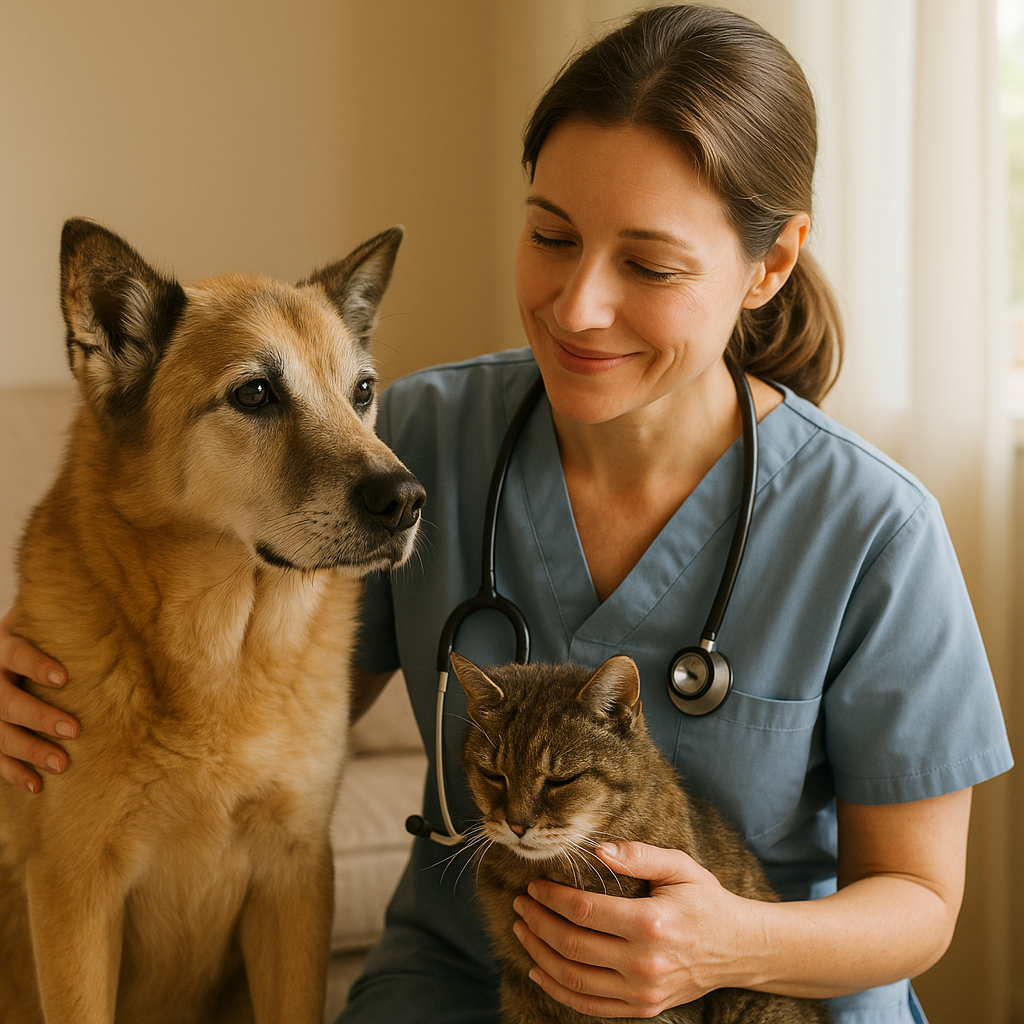
As our beloved dogs and cats enter their senior years, their care requirements evolve. Providing attentive, tailored care can significantly enhance their quality of life, ensuring they remain healthy and comfortable. This guide offers practical advice to support your aging pets through their golden years.
Recognizing When Your Pet Becomes a Senior
Understanding when your pet reaches senior status is crucial for timely adjustments in their care. The American Animal Hospital Association (AAHA) defines the senior stage as the last quarter of a pet's expected lifespan, which varies by species and size:
Dogs:
- Small breeds (e.g., Chihuahuas, Yorkies): Around 11–12 years
- Medium breeds (e.g., Beagles, Border Collies): Around 10 years
- Large breeds (e.g., Labradors, Golden Retrievers): Around 8 years
- Giant breeds (e.g., Great Danes, Mastiffs): As early as 6–7 years
Cats:
- Mature/middle age: 7–10 years
- Senior: 11–14 years
- Geriatric: 15+ years
Recognizing these milestones allows for proactive health management tailored to your pet's specific needs.
Regular Veterinary Check-Ups
Frequent veterinary visits are essential for early detection and management of age-related conditions. The AAHA recommends that healthy senior dogs and cats undergo examinations at least twice a year. These check-ups typically include:
- Comprehensive physical exams to assess overall health.
- Blood work (complete blood count, chemistry panel) to monitor organ function.
- Urinalysis to detect urinary tract issues or kidney disease.
Regular screenings help identify conditions like arthritis, kidney disease, or dental problems early, allowing for timely interventions.
Nutrition and Weight Management
As pets age, their metabolism slows, necessitating dietary adjustments to maintain optimal health. Key considerations include:
- Caloric Intake: Senior pets often require fewer calories to prevent weight gain. However, it's vital to ensure they receive adequate nutrients to maintain muscle mass.
- Protein: Contrary to outdated advice, maintaining or slightly increasing high-quality protein intake supports muscle preservation in senior pets. (petwellhub.org)
- Joint Support: Incorporating supplements like glucosamine, chondroitin, and omega-3 fatty acids can aid joint health. Always consult your veterinarian before introducing new supplements.
Tailoring your pet's diet to their specific health status and activity level is essential. Your veterinarian can provide personalized recommendations based on your pet's needs.
Maintaining Mobility and Comfort
Arthritis and decreased mobility are common in aging pets. To support their comfort and movement:
- Exercise: Engage in regular, low-impact activities such as short walks or gentle play sessions to maintain joint flexibility and muscle strength.
- Home Modifications: Enhance your home environment to accommodate your senior pet:
- Non-Slip Surfaces: Place area rugs or runners on slippery floors to prevent falls.
- Ramps and Stairs: Provide ramps or pet stairs to help pets access furniture or vehicles without jumping.
- Orthopedic Bedding: Invest in supportive beds to alleviate pressure on joints. (roncesvallesanimalhospital.com)
These adjustments can significantly improve your pet's daily comfort and prevent injuries.
Dental Health
Dental issues are prevalent in senior pets and can lead to pain and systemic health problems. To maintain oral health:
- Regular Dental Check-Ups: Schedule professional cleanings and examinations as recommended by your veterinarian.
- At-Home Care: Brush your pet's teeth regularly using pet-safe toothpaste and provide dental chews or toys designed to reduce plaque buildup.
Addressing dental health proactively can prevent discomfort and more serious health issues.
Cognitive Health and Mental Stimulation
Cognitive decline, similar to dementia in humans, can affect aging pets. Signs include disorientation, altered sleep patterns, and changes in social interactions. To support cognitive function:
- Mental Stimulation: Engage your pet with puzzle toys, new tricks, or interactive games to keep their mind active.
- Consistent Routine: Maintain a stable daily schedule to reduce anxiety and confusion.
- Veterinary Consultation: Discuss any behavioral changes with your veterinarian, as medications or supplements may help manage cognitive dysfunction. (seniorpet.org)
Keeping your pet's mind engaged is as important as physical health in their senior years.
Grooming and Hygiene
Regular grooming becomes increasingly important as pets age:
- Brushing: Frequent brushing helps manage shedding and allows for early detection of skin issues or lumps.
- Nail Trimming: Keep nails trimmed to prevent discomfort and mobility issues.
- Bathing: Bathe your pet as needed, using gentle, pet-appropriate shampoos to maintain skin health.
Grooming sessions also provide an opportunity to check for any abnormalities that may require veterinary attention.
Monitoring Behavioral Changes
Be vigilant for behavioral changes, as they can indicate underlying health issues:
- Increased Irritability: May signal pain or discomfort.
- Changes in Appetite or Thirst: Could indicate metabolic or organ-related conditions.
- Altered Sleep Patterns: May be associated with cognitive decline or discomfort.
Promptly reporting these changes to your veterinarian can lead to early diagnosis and treatment, improving your pet's quality of life.
Creating a Comfortable Environment
Adapting your home to meet the needs of your senior pet can enhance their comfort:
- Easy Access: Ensure food, water, and litter boxes are easily accessible without the need to navigate stairs.
- Temperature Control: Keep your home at a comfortable temperature, as senior pets may be more sensitive to heat and cold.
- Quiet Spaces: Provide a quiet area where your pet can retreat and rest undisturbed.
These modifications can help your pet feel secure and comfortable in their environment.
Conclusion
Caring for a senior pet requires attentiveness, patience, and proactive management. By understanding and addressing the evolving needs of aging dogs and cats, you can ensure they enjoy their later years with health and comfort. Regular veterinary care, appropriate nutrition, mental and physical stimulation, and a supportive home environment are key components of senior pet care.
Ready to find trusted local care for your pet? Explore sitters and boarders on KasPaws.
You might also like
Traveling with Your Pet: Tips for Safe and Stress-Free Trips
Traveling with your pet can be a rewarding experience, but it requires careful planning to ensure safety and comfort. This guide offers essential...
4 min read
Toxic Foods and Household Hazards for Pets
Learn about common foods and household items that can be hazardous to dogs and cats, and discover practical tips to keep your pets safe.
3 min read
Late Summer Pet Care: Keeping Your Pet Safe and Comfortable
Ensure your pet's safety and comfort during late summer with these essential care tips, including hydration, grooming, and exercise adjustments.
3 min read