Seasonal Pet Care: Keeping Your Pet Safe and Comfortable This
By KasPaws Team · September 1, 2026 · 4 min read
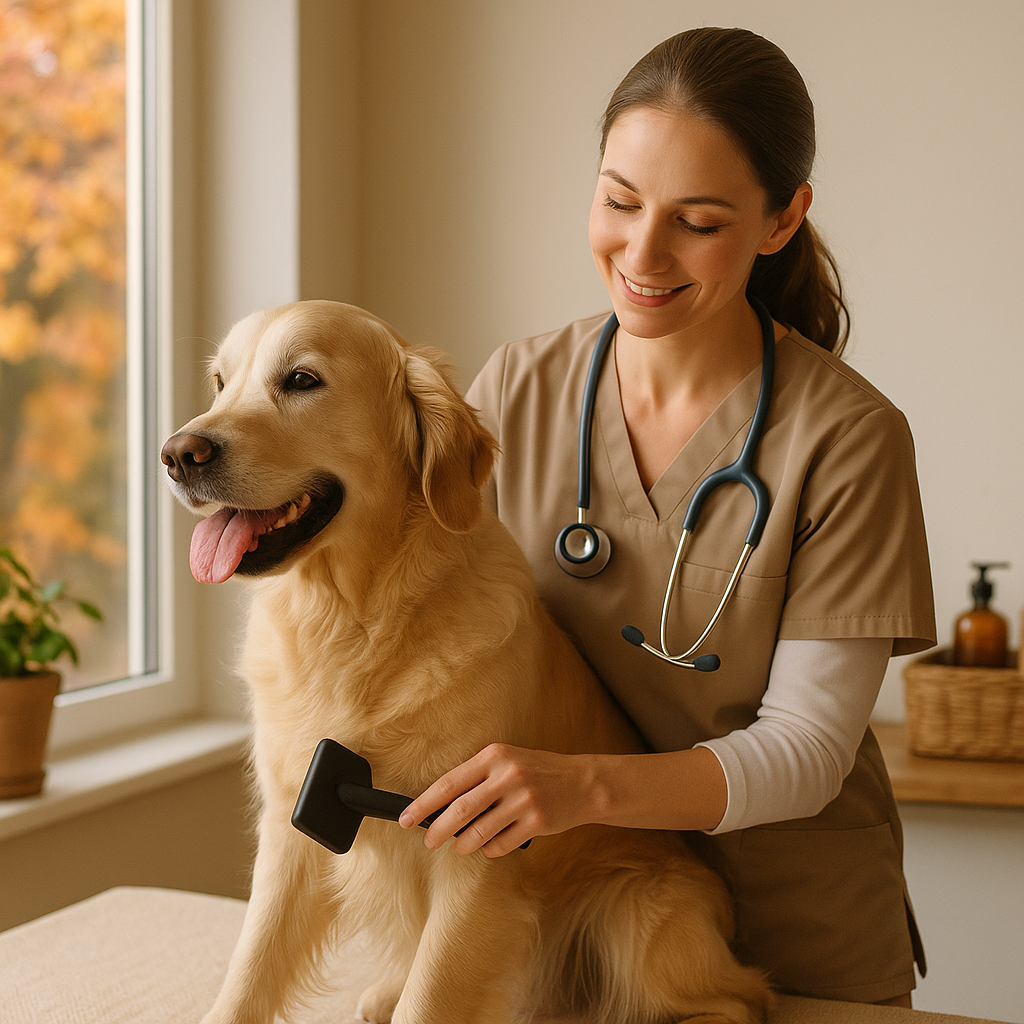
As the vibrant hues of autumn begin to paint the landscape, it's essential to adjust your pet care routine to ensure your furry friends remain safe and comfortable. The transition from the warmth of late summer to the crispness of fall brings unique challenges and opportunities for pet owners. Here's a comprehensive guide to help you navigate this seasonal shift.
Maintain a Consistent Grooming Routine
Regular Brushing:
Fall is a prime shedding season for many pets as they prepare their thicker winter coats. Regular brushing helps remove loose fur, reducing the amount of hair around your home and preventing matting. For double-coated breeds, daily brushing is particularly beneficial. (banfield.com)
Bathing:
While frequent baths aren't necessary, an occasional bath with a moisturizing shampoo can help alleviate dry skin caused by cooler, drier air. Ensure your pet is thoroughly dried after bathing to prevent chills.
Paw Care:
Autumn walks can expose your pet's paws to wet leaves, mud, and debris. After each walk, clean your pet's paws to remove any irritants. Applying a pet-safe moisturizer can help prevent cracked pads. (akc.org)
Monitor and Manage Shedding
Understanding Seasonal Shedding:
As daylight hours decrease, many pets shed their lighter summer coats to make way for thicker winter fur. This natural process can lead to increased hair around your home.
Effective Shedding Management:
- Regular Grooming: Consistent brushing helps manage shedding and keeps your pet's coat healthy.
- Dietary Support: Ensure your pet's diet is rich in omega-3 fatty acids to promote skin and coat health.
- Hydration: Adequate water intake supports overall health and can reduce excessive shedding.
Continue Flea and Tick Prevention
Persistent Pests:
Many believe that fleas and ticks are only a concern during the warmer months. However, these pests remain active in the fall and can even thrive in cooler temperatures. (merck-animal-health-usa.com)
Preventative Measures:
- Year-Round Protection: Maintain your pet's flea and tick prevention regimen throughout the year.
- Regular Inspections: After outdoor activities, check your pet for any signs of fleas or ticks.
- Yard Maintenance: Keep your yard free of leaf piles and tall grass where pests can hide.
Adjust Exercise and Outdoor Activities
Temperature Considerations:
Cooler temperatures can be invigorating for pets, but sudden drops can be uncomfortable, especially for short-haired breeds or senior pets.
Activity Tips:
- Layering: Consider pet-friendly sweaters or jackets for breeds sensitive to the cold.
- Time Management: Schedule walks during the warmer parts of the day to ensure comfort.
- Safe Play Areas: Be cautious of wet leaves and slippery surfaces that can pose hazards.
Provide a Warm and Comfortable Indoor Environment
Cozy Spaces:
As temperatures drop, ensure your pet has a warm place to rest. Elevated beds can keep pets off cold floors, and adding blankets can provide extra warmth.
Humidification:
Indoor heating can dry out the air, leading to dry skin for pets. Using a humidifier can help maintain a comfortable humidity level.
Be Cautious with Seasonal Decorations and Foods
Decorative Hazards:
Autumn decorations, such as pumpkins and corn, can be tempting for pets but may cause digestive issues if ingested. Ensure decorations are out of reach.
Toxic Foods:
Many fall foods, like chocolate and certain nuts, are toxic to pets. Be vigilant about keeping these foods away from your furry friends.
Support Senior Pets During Seasonal Changes
Joint Care:
Cooler weather can exacerbate arthritis and joint issues in senior pets. Provide orthopedic bedding and consider joint supplements after consulting with your veterinarian. (petsmart.com)
Regular Check-Ups:
Seasonal changes can impact senior pets more significantly. Regular veterinary visits can help monitor and manage any health concerns.
Maintain Hydration and Balanced Nutrition
Hydration:
Even in cooler weather, pets need ample water. Ensure fresh water is always available.
Dietary Adjustments:
As activity levels may change with the season, monitor your pet's weight and adjust food portions accordingly to maintain a healthy weight.
Prepare for Shorter Days and Longer Nights
Visibility:
With shorter daylight hours, ensure your pet is visible during evening walks. Reflective collars or leashes and LED lights can enhance safety.
Routine Consistency:
Pets thrive on routine. Try to maintain consistent feeding and exercise schedules despite the changing daylight.
Stay Vigilant for Seasonal Allergies
Allergy Awareness:
Fall can bring about allergens like mold and ragweed, which may affect pets. Watch for signs such as excessive scratching, licking, or respiratory issues.
Consultation:
If you notice allergy symptoms, consult your veterinarian for appropriate management strategies.
By proactively adjusting your pet care routine to align with the seasonal changes of fall, you can ensure your beloved companion remains healthy, comfortable, and happy. Remember, each pet is unique, so tailor these recommendations to fit your pet's specific needs.
Ready to find trusted local care for your pet? Explore sitters and boarders on KasPaws.
You might also like

Choosing a Trustworthy Pet Sitter: Essential Tips and Questions
Ensure your pet's safety and comfort by choosing a trustworthy pet sitter. Learn essential tips and questions to ask before booking.
3 min read

Pet Insurance: How It Works and Is It Worth It?
Pet insurance helps manage veterinary costs by reimbursing expenses for accidents, illnesses, and routine care, depending on the chosen plan.
3 min read

Choosing a Trustworthy Pet Sitter: Key Questions to Ask
Ensure your pet's well-being by choosing a trustworthy sitter. Learn key questions to ask before booking to find the perfect match.
3 min read