Traveling with Your Pet: Tips for Safe and Stress-Free Trips
By KasPaws Team · August 28, 2026 · 4 min read
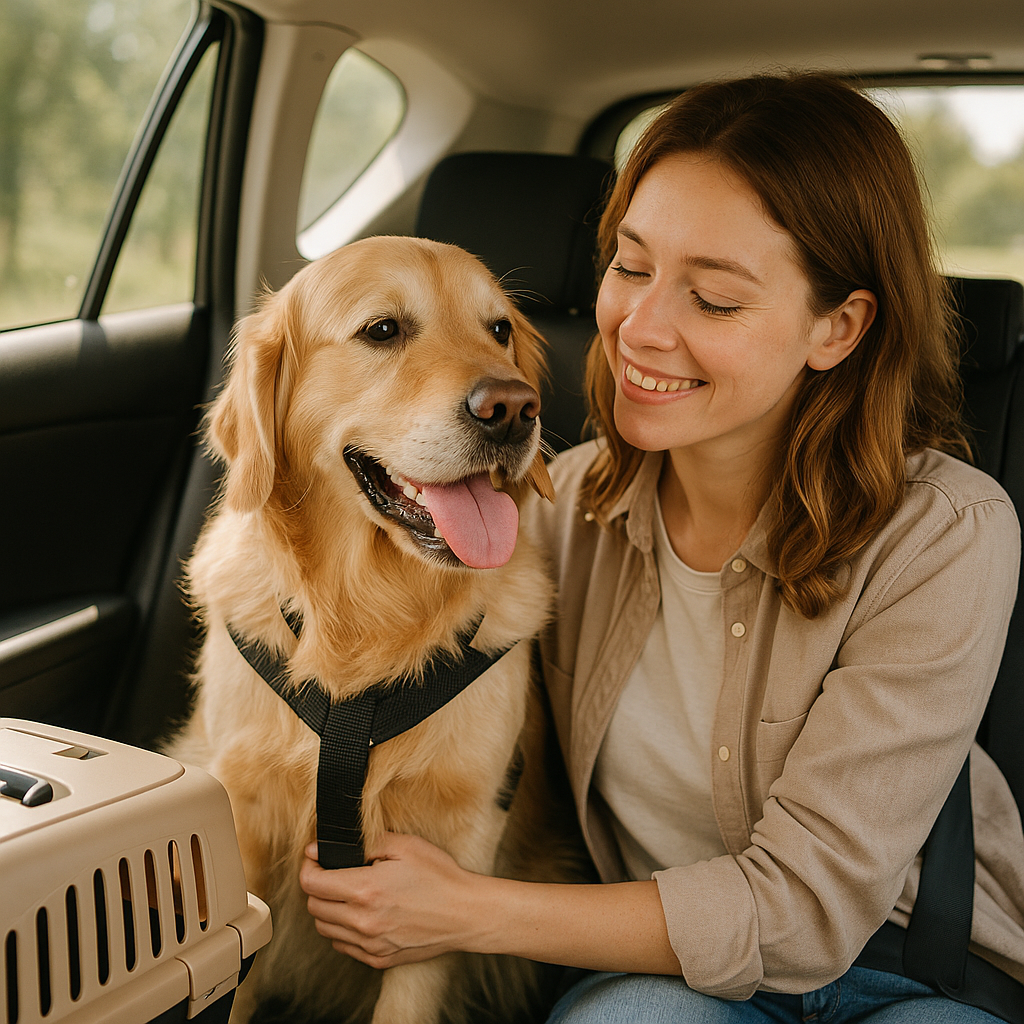
Traveling with your pet can be a rewarding experience, strengthening the bond between you and your furry companion. However, it requires careful planning to ensure both safety and comfort. Whether you're embarking on a road trip or flying to a distant destination, these tips will help make your journey smooth and enjoyable.
Preparing Your Pet for Travel
Before setting out, it's essential to assess whether your pet is ready for the trip. Some animals may find travel stressful due to health issues or temperament. According to the American Veterinary Medical Association (AVMA), it's advisable to consult your veterinarian to ensure your pet is fit for travel and up-to-date on vaccinations. (zestmag.com)
Health Check and Documentation
Schedule a veterinary appointment well in advance of your trip. This visit should include:
- Health Assessment: Confirm that your pet is healthy enough to travel.
- Vaccinations: Ensure all vaccinations are current.
- Documentation: Obtain a health certificate if required by your destination.
For international travel, research the specific entry requirements of your destination country, as regulations can vary significantly.
Identification and Microchipping
Proper identification is crucial in case you and your pet become separated. Ensure your pet wears a collar with an ID tag that includes your contact information. Additionally, microchipping provides a permanent form of identification. Remember to keep your contact details updated in the microchip registry.
Choosing the Right Mode of Transportation
The mode of transportation you choose will significantly impact your pet's comfort and safety.
Traveling by Car
Car travel offers flexibility and can be less stressful for pets accustomed to vehicles. To prepare:
- Acclimate Your Pet: Take short drives to help your pet get used to the car environment.
- Secure Restraint: Use a well-ventilated crate or a pet seatbelt harness to keep your pet secure. This prevents distractions and protects your pet in case of sudden stops.
- Regular Breaks: Plan for stops every 2-3 hours to allow your pet to stretch, hydrate, and relieve themselves.
- Never Leave Pets Unattended: Avoid leaving your pet alone in a parked car, as temperatures can become life-threatening within minutes. (hotelsone.com)
Traveling by Air
Air travel requires more preparation and consideration:
- Airline Policies: Research and confirm the airline's pet policies, as they can vary. Some airlines have ceased offering cargo services for pets, limiting options to in-cabin travel for small animals. (bookingdesk.flights)
- Carrier Requirements: Use an airline-approved carrier that allows your pet to stand, turn around, and lie down comfortably. Introduce your pet to the carrier well before the trip to reduce anxiety.
- Avoid Sedation: Most veterinarians advise against sedating pets for air travel due to potential health risks. Instead, focus on acclimating your pet to the travel process.
Packing Essentials for Your Pet
A well-packed travel kit ensures your pet's needs are met throughout the journey. Include:
- Food and Water: Bring enough of your pet's regular food and bottled water to last the trip. Sudden changes in diet or water source can cause digestive issues.
- Bowls: Collapsible bowls are convenient for feeding and hydration on the go.
- Medications: Pack any necessary medications, along with a copy of the prescription.
- Comfort Items: Familiar items like a favorite blanket or toy can help reduce stress.
- Waste Management: Bring waste bags for dogs or a portable litter box for cats.
Finding Pet-Friendly Accommodations
Not all accommodations welcome pets, so it's important to plan ahead:
- Research: Use platforms that specialize in pet-friendly lodging to find suitable options.
- Policies and Fees: Confirm the accommodation's pet policies, including any additional fees or restrictions.
- Amenities: Look for amenities such as nearby parks or designated pet areas to make your stay more comfortable.
Keeping Your Pet Calm and Comfortable
Travel can be stressful for pets. To help them stay calm:
- Maintain Routine: Stick to your pet's regular feeding and exercise schedule as much as possible.
- Exercise Before Travel: A good play session or walk before departure can help expend excess energy.
- Create a Safe Space: In unfamiliar environments, set up a designated area with your pet's bed and toys to provide a sense of security.
Handling Emergencies on the Road
Being prepared for emergencies is vital:
- Emergency Contacts: Research veterinary clinics along your route and at your destination.
- First-Aid Kit: Carry a pet-specific first-aid kit that includes bandages, antiseptic, and any necessary medications.
- Know the Signs: Be aware of signs of distress in your pet, such as excessive panting, drooling, or lethargy, and seek veterinary care if needed.
Conclusion
Traveling with your pet requires thoughtful preparation, but with the right planning, it can be a safe and enjoyable experience for both of you. Remember to consult your veterinarian, choose appropriate accommodations, and pack all necessary supplies. For additional support and to find trusted local care for your pet during your travels, explore sitters and boarders on KasPaws.
You might also like
Toxic Foods and Household Hazards for Pets
Learn about common foods and household items that can be hazardous to dogs and cats, and discover practical tips to keep your pets safe.
3 min read

Late Summer Pet Care: Keeping Your Pet Safe and Comfortable
Ensure your pet's safety and comfort during late summer with these essential care tips, including hydration, grooming, and exercise adjustments.
3 min read

Senior Pet Care: Keeping Aging Dogs and Cats Healthy
Learn how to adapt your care routine to keep your aging dog or cat healthy and comfortable in their senior years.
3 min read