Senior Pet Care: Keeping Aging Dogs and Cats Healthy
By KasPaws Team · August 23, 2026 · 3 min read
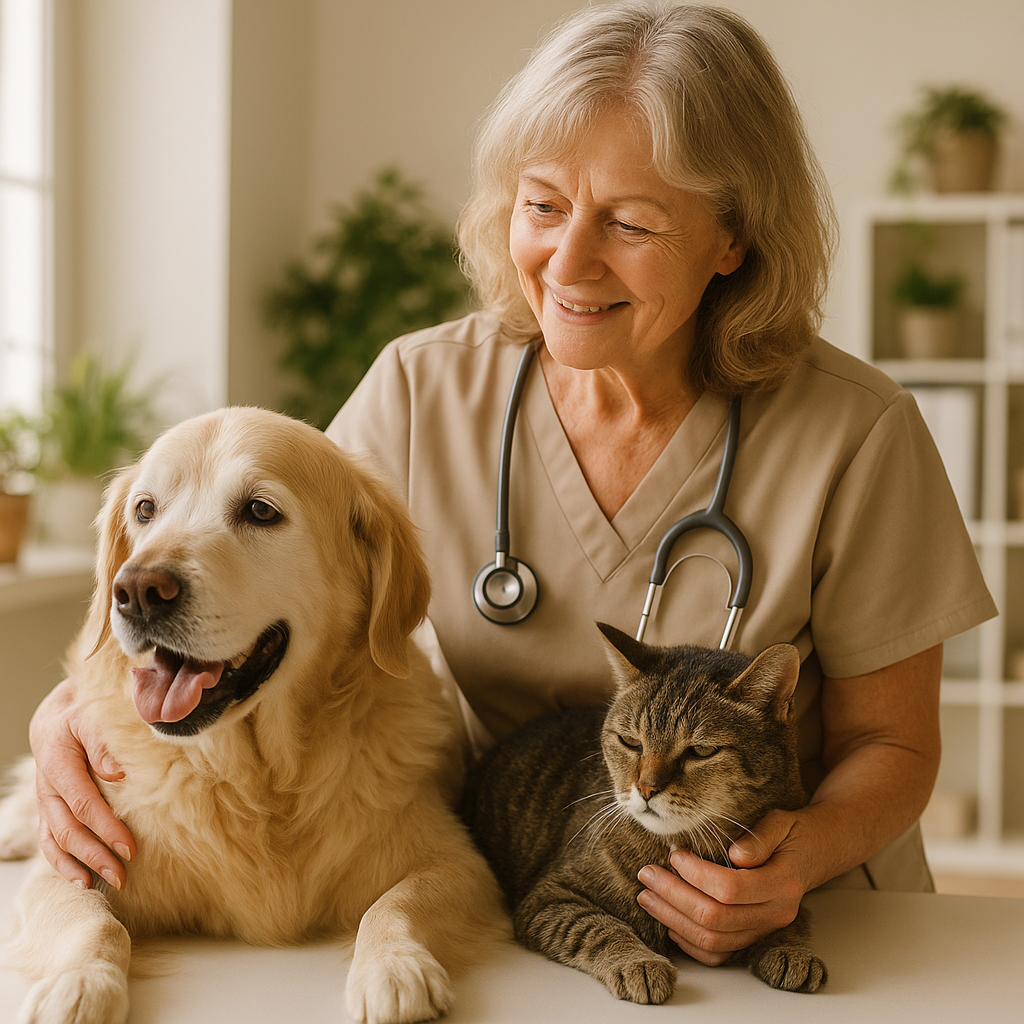
As our beloved dogs and cats enter their senior years, their needs evolve, requiring attentive care to ensure they remain healthy and comfortable. Understanding these changes and adapting our care routines can significantly enhance their quality of life.
Recognizing When Your Pet Becomes a Senior
The age at which a pet is considered senior varies by species and size. Generally:
Cats: Around 10 years old. (healthline.com)
Small to Medium Dogs: Approximately 7-10 years old.
Large to Giant Dogs: Around 6-7 years old. (petcare-ai.com)
Recognizing this transition is crucial, as it marks the time to adjust care practices to meet their changing needs.
Regular Veterinary Check-Ups
Senior pets are more susceptible to health issues such as kidney disease, arthritis, and dental problems. It's recommended that senior cats receive check-ups every six months to monitor for these conditions. (healthline.com) Similarly, senior dogs benefit from biannual veterinary visits to catch age-related conditions early and adjust care plans as needed. (petmd.com)
Tailoring Nutrition to Senior Needs
As pets age, their dietary requirements change:
Cats: May require diets lower in phosphorus and sodium, especially if kidney function declines. (petmd.com)
Dogs: Often need lower-calorie diets to prevent weight gain due to decreased activity levels. (chewy.com)
Consult your veterinarian to select appropriate senior pet foods that address these needs.
Maintaining Mobility and Comfort
Arthritis and joint stiffness are common in aging pets:
Cats: Provide low-entry litter boxes and soft, accessible bedding to ease mobility. (healthline.com)
Dogs: Incorporate gentle exercises like short walks to maintain muscle tone and joint health. (chewy.com)
Regular, low-impact activities help keep joints flexible and muscles strong.
Dental Health
Dental issues can lead to significant health problems in senior pets:
Cats: Regular dental check-ups and cleanings are essential to prevent periodontal disease. (petmd.com)
Dogs: Daily tooth brushing and dental treats can help maintain oral health. (chewy.com)
Maintaining dental hygiene is vital to prevent pain and systemic infections.
Mental Stimulation and Enrichment
Cognitive decline can affect senior pets:
Cats: Engage them with interactive toys and puzzle feeders to keep their minds active. (petmd.com)
Dogs: Introduce new toys and training exercises to stimulate their brains. (chewy.com)
Mental engagement helps slow cognitive decline and keeps pets happy.
Creating a Comfortable Environment
Adjust your home to accommodate your senior pet's needs:
Cats: Ensure easy access to favorite resting spots with ramps or steps. (healthline.com)
Dogs: Provide orthopedic beds to support aging joints. (chewy.com)
A comfortable environment reduces stress and physical strain.
Monitoring for Behavioral Changes
Be vigilant for signs of aging-related issues:
Cats: Changes in grooming habits or litter box usage may indicate health problems. (healthline.com)
Dogs: Altered sleep patterns or disorientation can be signs of cognitive dysfunction. (chewy.com)
Early detection allows for timely intervention and management.
Hydration and Kidney Health
Adequate water intake is crucial:
Cats: Provide multiple water stations and consider water fountains to encourage drinking. (healthline.com)
Dogs: Ensure fresh water is always available and monitor intake.
Proper hydration supports kidney function and overall health.
Grooming and Hygiene
Regular grooming helps maintain skin and coat health:
Cats: Assist with grooming to prevent matting, especially in hard-to-reach areas. (healthline.com)
Dogs: Regular brushing and nail trimming prevent discomfort and mobility issues. (chewy.com)
Grooming sessions also provide opportunities to check for lumps, bumps, or other health concerns.
Conclusion
Caring for a senior pet involves attentive adjustments to their health, environment, and daily routines. By recognizing their evolving needs and providing compassionate care, you can ensure your aging dog or cat enjoys their golden years with comfort and dignity.
Ready to find trusted local care for your pet? Explore sitters and boarders on KasPaws.
You might also like

Traveling with Your Pet: Tips for Safe and Stress-Free Trips
Traveling with your pet can be a rewarding experience, but it requires careful planning to ensure safety and comfort. This guide offers essential...
4 min read
Toxic Foods and Household Hazards for Pets
Learn about common foods and household items that can pose serious health risks to dogs and cats, and how to keep your pets safe.
4 min read
Late Summer Pet Care: Keeping Your Pet Safe and Comfortable
Ensure your pet's safety and comfort during late summer with essential tips on hydration, grooming, nutrition, and more.
3 min read