Toxic Foods and Household Hazards for Pets
By KasPaws Team · August 27, 2026 · 3 min read
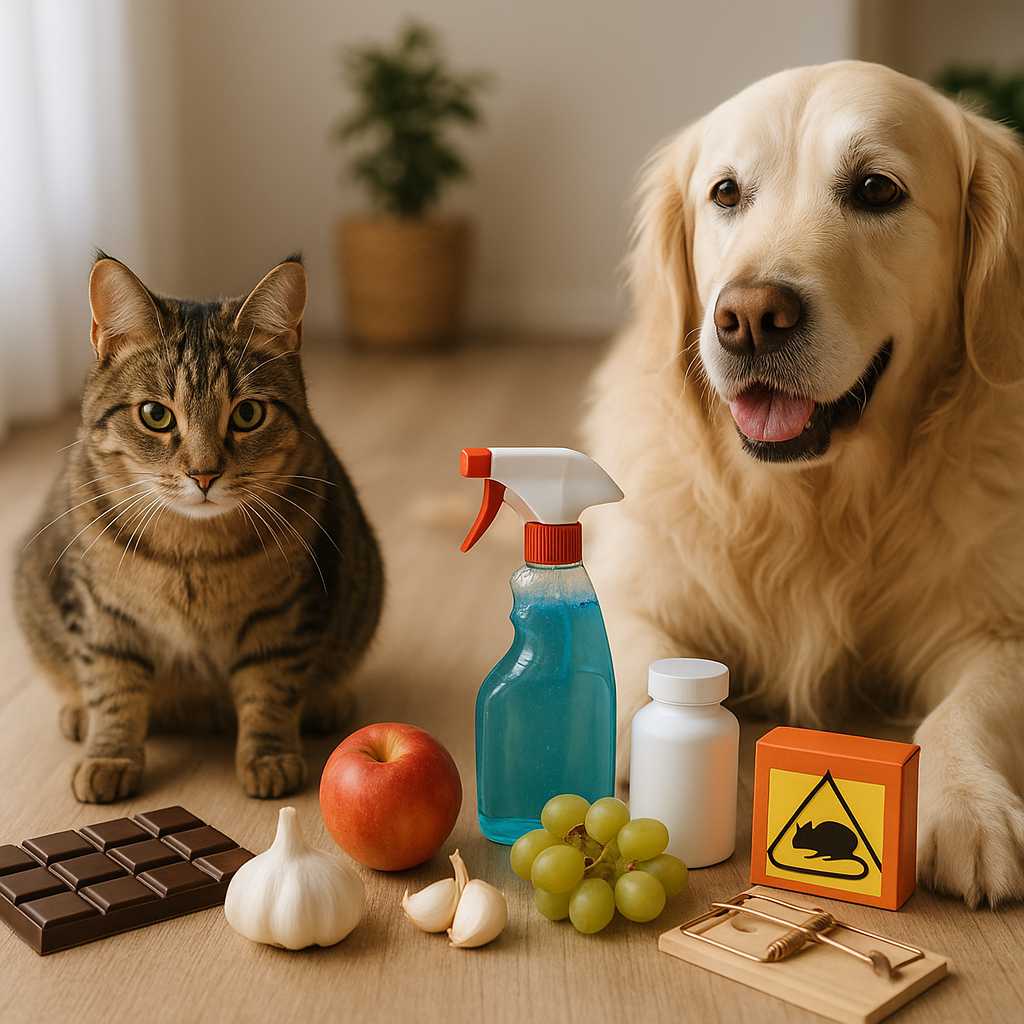
Introduction
As pet owners, ensuring the safety and well-being of our furry companions is paramount. While we often focus on providing love and care, it's equally important to be aware of common foods and household items that can pose serious risks to dogs and cats. This guide highlights some of the most hazardous substances and offers practical advice to keep your pets safe.
Toxic Foods for Dogs and Cats
Chocolate and Caffeine
Chocolate contains theobromine and caffeine, both of which are toxic to dogs and cats. Dark and baking chocolates have higher concentrations of these substances, making them particularly dangerous. Even small amounts can lead to symptoms such as vomiting, diarrhea, rapid heart rate, and seizures. It's crucial to keep all chocolate products out of reach and educate family members about the risks.
Grapes and Raisins
Grapes and raisins can cause sudden kidney failure in dogs. The exact toxic mechanism remains unknown, and even small quantities can be harmful. Symptoms may include vomiting, lethargy, and decreased appetite. To prevent accidental ingestion, ensure these fruits are stored securely and avoid leaving them within your pet's reach.
Onions, Garlic, and Chives
Allium vegetables like onions, garlic, and chives contain compounds that can damage red blood cells in pets, leading to anemia. Both raw and cooked forms are dangerous, and symptoms might not appear immediately. It's advisable to avoid feeding pets any foods seasoned with these ingredients and to check labels for hidden allium content.
Xylitol
Xylitol, a sugar substitute found in sugar-free gum, candies, and some peanut butters, is extremely toxic to dogs. Ingesting even small amounts can cause a rapid release of insulin, leading to hypoglycemia (low blood sugar), seizures, and liver failure. Always check product labels and keep xylitol-containing items out of your pet's reach.
Macadamia Nuts
Macadamia nuts are toxic to dogs, causing symptoms like weakness, vomiting, tremors, and hyperthermia. The exact cause of toxicity is unknown, but it's best to avoid giving any nuts to pets and to be cautious with baked goods that may contain them.
Common Household Hazards
Cleaning Products
Many household cleaners contain chemicals like bleach, ammonia, and phenols that can be harmful to pets if ingested or inhaled. Cats are particularly sensitive to phenols. To minimize risks:
- Store cleaning products in cabinets or on high shelves.
- Allow surfaces to dry completely before allowing pets access.
- Use pet-safe cleaning alternatives when possible.
Medications
Human medications, including over-the-counter pain relievers and prescription drugs, can be extremely dangerous to pets. For example, acetaminophen is fatal to cats. Always store medications securely and never administer human drugs to pets without veterinary guidance.
Plants and Flowers
Certain plants and flowers are toxic to pets. Lilies are especially dangerous to cats, even in small amounts. Other hazardous plants include aloe vera, amaryllis, and English ivy. Before bringing plants into your home, research their safety and keep toxic varieties out of reach.
Electrical Cords and Small Objects
Pets, especially kittens and puppies, may chew on electrical cords, leading to electrocution or burns. Secure cords out of reach or use protective coverings. Small objects like rubber bands, dental floss, and hair ties can cause intestinal blockages if swallowed. Keep such items stored away safely.
Preventive Measures
- Educate Household Members: Ensure everyone in the home is aware of items that are hazardous to pets.
- Secure Hazardous Items: Use childproof latches on cabinets containing dangerous substances.
- Provide Safe Alternatives: Offer appropriate toys and chews to deter pets from exploring unsafe items.
- Regular Veterinary Check-ups: Routine visits can help identify and address potential health issues early.
Conclusion
Being aware of the foods and household items that pose risks to your pets is a crucial aspect of responsible pet ownership. By taking preventive measures and staying informed, you can create a safe environment for your beloved companions. For more resources and to connect with trusted local pet care providers, visit KasPaws.
You might also like
Late Summer Pet Care: Keeping Your Pet Safe and Comfortable
Ensure your pet's safety and comfort during late summer with these essential care tips, including hydration, grooming, and exercise adjustments.
3 min read
Senior Pet Care: Keeping Aging Dogs and Cats Healthy
Learn how to adapt your care routine to keep your aging dog or cat healthy and comfortable in their senior years.
3 min read

Traveling with Your Pet: Tips for Safe and Stress-Free Trips
Traveling with your pet can be a rewarding experience, but it requires careful planning to ensure safety and comfort. This guide offers essential...
4 min read