Toxic Foods and Household Hazards for Pets
By KasPaws Team · August 21, 2026 · 4 min read
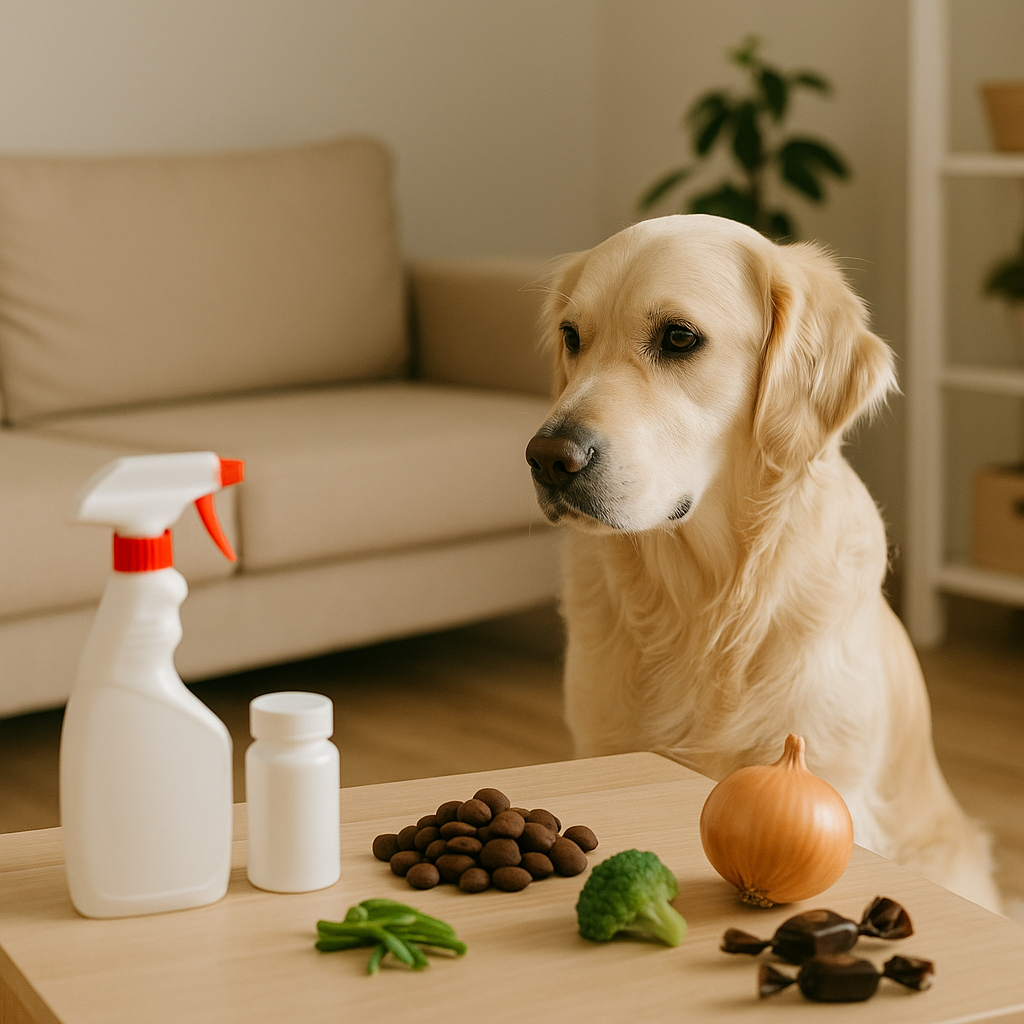
Toxic Foods and Household Hazards Every Dog and Cat Owner Should Know
As pet owners, ensuring the safety and well-being of our furry companions is paramount. While we often focus on providing love and care, it's equally important to be aware of common foods and household items that can pose serious health risks to dogs and cats. This guide highlights some of the most hazardous substances and offers practical advice to keep your pets safe.
Common Toxic Foods for Dogs and Cats
Chocolate and Caffeine
Chocolate contains theobromine and caffeine, both of which are toxic to pets. The darker the chocolate, the higher the concentration of these substances. Ingesting chocolate can lead to vomiting, diarrhea, rapid heart rate, tremors, seizures, and even death. Similarly, caffeine found in coffee, tea, and energy drinks can cause similar symptoms. It's crucial to keep all chocolate products and caffeinated beverages out of your pet's reach.
Grapes and Raisins
Grapes and raisins are known to cause acute kidney failure in dogs. Even small amounts can be harmful. Symptoms include vomiting, diarrhea, lethargy, and decreased appetite. The exact toxic substance in grapes and raisins remains unidentified, making it best to avoid giving these fruits to your pets altogether.
Onions, Garlic, and Related Foods
Onions, garlic, leeks, chives, and shallots contain sulfur compounds that can damage red blood cells in pets, leading to anemia. Cats are particularly sensitive to these foods. Symptoms may include vomiting, increased heart rate, yellow mucous membranes, dark urine, rapid breathing, weakness, lethargy, and poor appetite. It's important to avoid feeding your pets any foods containing these ingredients, whether raw, cooked, or powdered.
Xylitol
Xylitol is a sugar substitute found in many sugar-free products like gum, candies, baked goods, and toothpaste. In dogs, xylitol can cause a rapid release of insulin, leading to hypoglycemia (low blood sugar), seizures, liver failure, and even death. Symptoms can occur within 30 minutes of ingestion and include vomiting, loss of coordination, and lethargy. Always check product labels and keep xylitol-containing items away from pets.
Alcohol and Raw Dough
Alcohol, even in small amounts, can be extremely dangerous to pets. It can cause vomiting, diarrhea, decreased coordination, central nervous system depression, difficulty breathing, tremors, abnormal blood acidity, coma, and death. Similarly, raw yeast dough can expand in a pet's stomach, leading to bloating and producing alcohol during fermentation, which can result in alcohol poisoning. Ensure that alcoholic beverages and raw dough are kept out of reach.
Household Hazards to Avoid
Cleaning Products
Many household cleaners contain chemicals that can harm pets if ingested, inhaled, or absorbed through the skin. Ingredients like bleach, ammonia, chlorine, and phenols can cause irritation or more severe reactions. Cats are particularly sensitive to phenols. Symptoms of exposure may include drooling, vomiting, diarrhea, coughing, or lethargy. To protect your pets:
- Store cleaning products in closed cabinets or on high shelves.
- Use pet-safe cleaning products when possible.
- Keep pets out of areas where cleaning products are being used until surfaces are dry.
Medications
Human medications, including over-the-counter drugs like ibuprofen and acetaminophen, can be toxic to pets. Even small doses can cause serious health issues. Always store medications securely and never administer human medicine to pets without veterinary guidance.
Plants and Flowers
Certain plants and flowers can be harmful if ingested by pets. Common toxic plants include:
- Lilies: Extremely toxic to cats, even small amounts can cause kidney failure.
- Aloe Vera: Can cause vomiting, diarrhea, and lethargy in pets.
- Cyclamen: Ingestion can lead to vomiting, diarrhea, and heart rhythm abnormalities.
Before bringing plants into your home, research their toxicity to pets and keep hazardous plants out of reach.
Essential Oils
While essential oils are popular for their aromatic properties, many can be harmful to pets. Oils such as tea tree, peppermint, citrus, and eucalyptus can cause symptoms ranging from skin irritation to respiratory distress and liver damage. Always consult with a veterinarian before using essential oils in a household with pets.
Preventive Measures and Emergency Response
To minimize the risk of exposure to toxic substances:
- Pet-Proof Your Home: Regularly inspect your home for potential hazards and keep dangerous items out of reach.
- Educate Household Members: Ensure everyone in the household is aware of substances that are harmful to pets.
- Provide Safe Alternatives: Offer pet-safe toys and treats to discourage interest in hazardous items.
If you suspect your pet has ingested a toxic substance, act immediately:
- Contact Your Veterinarian: Provide details about the substance, amount ingested, and any symptoms.
- Call a Poison Control Center: The Pet Poison Helpline (855-764-7661) or the ASPCA Animal Poison Control Center (888-426-4435) can offer guidance.
- Do Not Induce Vomiting: Unless specifically instructed by a professional, do not attempt to induce vomiting, as this can sometimes worsen the situation.
By staying informed and vigilant, you can create a safe environment for your pets, ensuring they lead happy and healthy lives.
Ready to find trusted local care for your pet? Explore sitters and boarders on KasPaws.
You might also like
Late Summer Pet Care: Keeping Your Pet Safe and Comfortable
Ensure your pet's safety and comfort during late summer with essential tips on hydration, grooming, nutrition, and more.
3 min read
Senior Pet Care: Keeping Aging Dogs and Cats Healthy
Learn how to care for your aging dog or cat with practical tips on health, nutrition, and comfort to ensure their golden years are happy and healthy.
3 min read

Traveling with Your Pet: Tips for Safe and Stress-Free Trips
Traveling with your pet can be a rewarding experience, but it requires careful planning to ensure safety and minimize stress for both of you. Here...
5 min read