Traveling with Your Pet: Tips for Safe and Stress-Free Trips
By KasPaws Team · August 10, 2026 · 3 min read
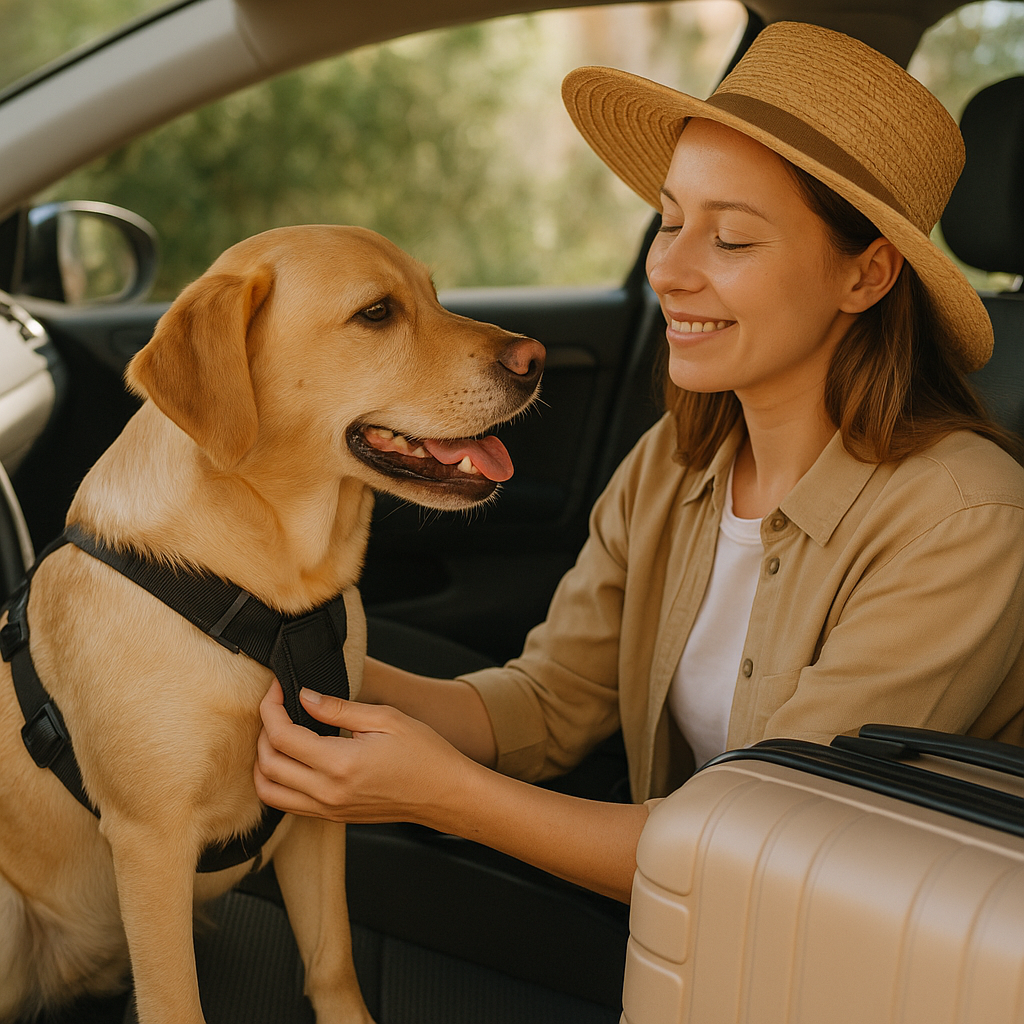
Traveling with your pet can be a rewarding experience, but it requires careful planning to ensure both you and your furry friend have a safe and stress-free journey. Whether you're hitting the road or taking to the skies, these tips will help you prepare for a smooth trip with your pet.
Preparing Your Pet for Travel
Before embarking on your journey, it's essential to ensure your pet is ready for travel. Start by scheduling a visit to the veterinarian to confirm your pet is healthy and up-to-date on vaccinations. This is particularly important if you're traveling across state lines or internationally, as different regions may have specific health requirements for pets.
Microchipping your pet and updating your contact information is crucial in case you get separated during your trip. Additionally, familiarize your pet with their travel carrier by allowing them to spend time in it at home. This can help reduce anxiety during the journey.
Choosing the Right Mode of Transportation
Traveling by Car
For many pets, car travel is the most comfortable option. To ensure safety:
Secure Your Pet: Use a crash-tested harness or a well-ventilated crate to keep your pet safe and prevent distractions while driving.
Plan Regular Breaks: Stop every 2-3 hours to allow your pet to stretch, hydrate, and relieve themselves.
Never Leave Your Pet Alone in the Car: Temperatures can rise quickly, leading to heatstroke, or drop dangerously low, causing hypothermia.
Flying with Your Pet
Air travel requires more preparation. According to the Centers for Disease Control and Prevention (CDC), it's important to check your airline's pet policies well in advance, as they can vary significantly. (cdc.gov)
In-Cabin Travel: Most airlines allow small pets to travel in the cabin if they fit in an airline-approved carrier under the seat. Book early, as there are often limits on the number of pets per flight.
Cargo Travel: If your pet is too large for in-cabin travel, they may need to fly in the cargo hold. Ensure the crate is USDA-approved and well-ventilated. Be aware of the risks, as cargo travel can be stressful and, in rare cases, dangerous.
Avoid Sedation: The American Veterinary Medical Association advises against sedating pets during air travel, as it can increase the risk of respiratory and cardiovascular problems. Instead, focus on acclimating your pet to their carrier and the sounds of travel.
Packing Essentials for Your Pet
A well-packed travel bag can make the journey more comfortable for your pet. Include:
Food and Water: Bring enough for the entire trip, plus a little extra in case of delays.
Medications: Carry any necessary medications, along with a copy of the prescription.
Comfort Items: Familiar toys or blankets can help reduce anxiety.
Waste Disposal Supplies: Pack poop bags for dogs or a portable litter box for cats.
Identification: Ensure your pet wears a collar with an ID tag that includes your contact information.
Finding Pet-Friendly Accommodations
Not all accommodations accept pets, so research and book pet-friendly hotels or rentals in advance. Websites like BringFido and GoPetFriendly can help you find suitable options. Be sure to understand any additional fees or restrictions, such as size or breed limitations.
Managing Your Pet's Stress During Travel
Travel can be stressful for pets. To help them stay calm:
Maintain Routine: Stick to your pet's regular feeding and exercise schedule as much as possible.
Provide a Safe Space: Use a familiar crate or carrier where your pet feels secure.
Stay Calm: Pets can pick up on your emotions, so remaining calm can help them feel at ease.
Handling Emergencies on the Road
Prepare for unexpected situations by:
Knowing Emergency Contacts: Research veterinary clinics along your route and at your destination.
Carrying a Pet First-Aid Kit: Include items like bandages, antiseptic, and tweezers.
Keeping Important Documents: Have copies of your pet's medical records and vaccination certificates.
Conclusion
Traveling with your pet requires thoughtful preparation, but with the right planning, it can be a joyful experience for both of you. Remember to prioritize your pet's safety and comfort throughout the journey. If you need assistance finding trusted local care for your pet while you're away, explore sitters and boarders on KasPaws.
You might also like

Personalized and Functional Diets for Pets
Discover how personalized and functional diets can enhance your pet's health by addressing their unique nutritional needs and specific health...
3 min read
Senior Pet Care: Keeping Aging Dogs and Cats Healthy
Learn how to adapt your care routines to keep aging dogs and cats healthy and comfortable in their senior years.
3 min read
Traveling with Your Pet: Tips for Safe and Stress-Free Trips
Traveling with your pet can be rewarding but requires careful planning. Learn essential tips for a safe and stress-free journey with your furry...
3 min read