Senior Pet Care: Keeping Aging Dogs and Cats Healthy
By KasPaws Team · August 17, 2026 · 3 min read
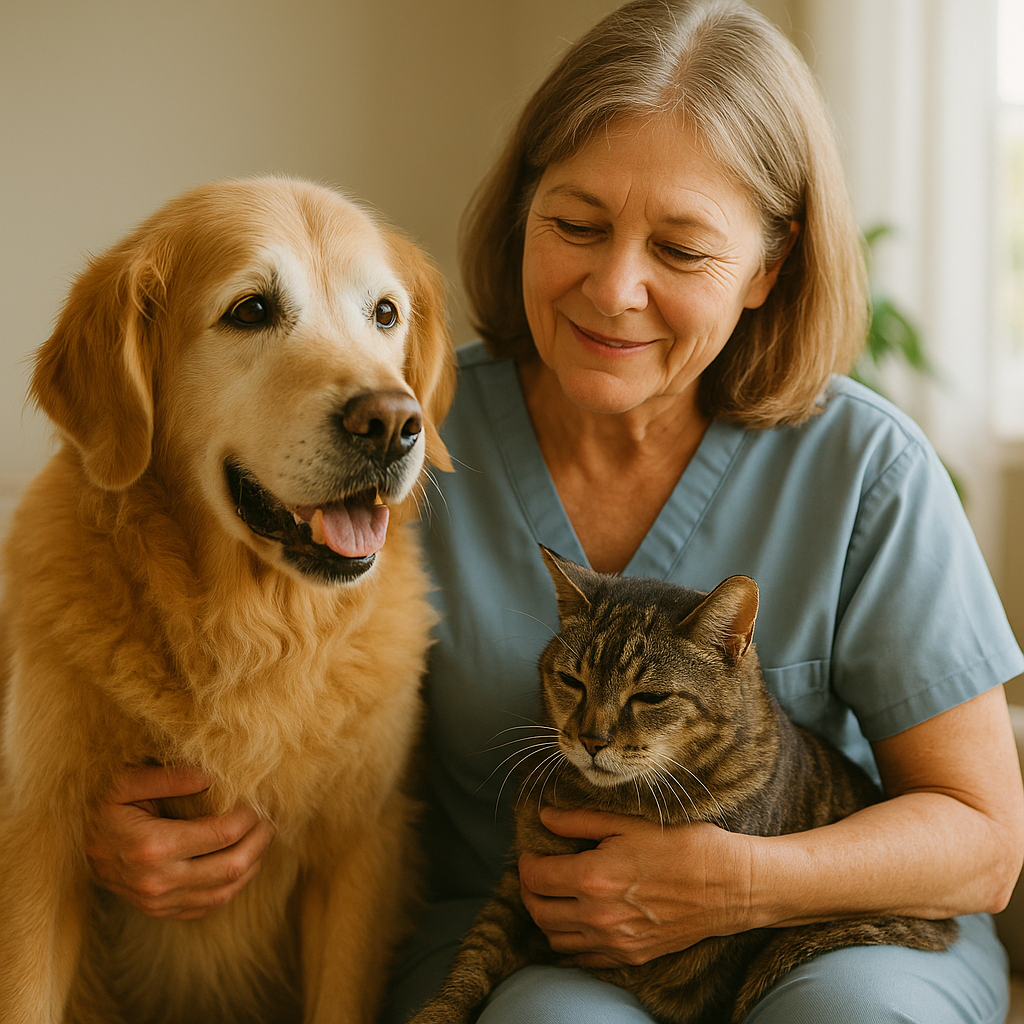
As our beloved dogs and cats enter their senior years, their needs evolve, requiring attentive care to ensure they remain healthy and comfortable. Understanding these changes and implementing appropriate strategies can significantly enhance their quality of life.
Recognizing When Your Pet Becomes a Senior
The age at which pets are considered seniors varies by species and size:
Dogs: Small breeds (under 20 lbs) are typically considered senior at around 10–12 years, medium breeds at 8–10 years, large breeds at 7–8 years, and giant breeds as early as 5–6 years. (petwellhub.org)
Cats: Generally, cats are considered senior between 11–14 years. (petwellhub.org)
Recognizing this transition is crucial for adjusting their care appropriately.
Regular Veterinary Check-Ups
As pets age, they become more susceptible to various health issues, including kidney disease, arthritis, and dental problems. Regular veterinary visits are essential for early detection and management:
Frequency: Senior pets should have check-ups at least every six months. (petmd.com)
Screenings: Routine blood work, urinalysis, and blood pressure monitoring can help identify emerging health concerns before they become severe.
Nutrition and Weight Management
Dietary needs change as pets age, and proper nutrition plays a pivotal role in maintaining health:
Dogs: Senior dogs often require diets lower in fat to manage weight and reduce the risk of pancreatitis. High-quality protein is essential to preserve muscle mass. (rexvet.org)
Cats: Older cats may benefit from increased protein intake to maintain muscle mass. (petwellhub.org)
Maintaining an ideal body weight is crucial, as excess weight can exacerbate joint issues and other health problems.
Mobility and Comfort
Arthritis and decreased mobility are common in senior pets. Enhancing their environment can alleviate discomfort:
Supportive Bedding: Provide orthopedic beds to cushion joints.
Accessibility: Use ramps or steps to help pets reach favorite spots without jumping.
Non-Slip Surfaces: Place rugs or mats on slippery floors to prevent falls.
Regular, gentle exercise helps maintain muscle tone and joint flexibility.
Dental Health
Dental issues can lead to pain and systemic infections. Regular dental care is vital:
Home Care: Brush your pet's teeth regularly with pet-safe toothpaste.
Professional Cleanings: Schedule dental cleanings as recommended by your veterinarian.
Diet: Provide dental chews or specialized diets that promote oral health.
Mental Stimulation and Emotional Well-Being
Cognitive decline can affect senior pets, leading to disorientation and behavioral changes. Keeping their minds active is beneficial:
Interactive Toys: Use puzzle feeders and toys that encourage problem-solving.
Routine: Maintain a consistent daily schedule to provide a sense of security.
Social Interaction: Spend quality time with your pet to keep them engaged and happy.
Hydration and Kidney Health
Adequate hydration is essential, especially for senior cats prone to kidney issues:
Water Availability: Ensure multiple clean water sources are accessible.
Wet Food: Incorporate wet food into their diet to increase fluid intake.
Water Fountains: Some pets prefer running water; a pet fountain can encourage drinking. (healthline.com)
Monitoring Behavioral Changes
Subtle changes can indicate underlying health issues:
Appetite: A decrease or increase in appetite may signal problems.
Activity Level: Changes in energy or reluctance to move can indicate pain.
Elimination Habits: Accidents or changes in litter box use warrant attention.
Promptly consult your veterinarian if you notice any of these changes.
Home Environment Adjustments
Creating a comfortable living space supports your senior pet's well-being:
Temperature Control: Keep the environment warm, as older pets may struggle with temperature regulation.
Quiet Spaces: Provide areas where your pet can rest undisturbed.
Easy Access: Ensure food, water, and litter boxes are easily accessible without the need to navigate stairs.
Conclusion
Caring for a senior pet involves attentive observation and proactive adjustments to their health care, diet, and environment. By implementing these strategies, you can help your aging dog or cat enjoy their golden years with comfort and joy.
Ready to find trusted local care for your pet? Explore sitters and boarders on KasPaws.
You might also like

Traveling with Your Pet: Tips for Safe and Stress-Free Trips
Traveling with your pet can be a rewarding experience, but it requires careful planning to ensure safety and minimize stress for both of you. Here...
5 min read
Toxic Foods and Household Hazards for Pets
Learn about common toxic foods and household hazards to keep your pets safe and healthy.
3 min read
Summer Pet Care: Keeping Your Pet Safe and Comfortable
Ensure your pet's safety and comfort during the summer with these comprehensive tips on hydration, exercise, sun protection, and more.
3 min read