Separation Anxiety in Dogs: Signs, Causes, and Solutions
By KasPaws Team · August 18, 2026 · 5 min read
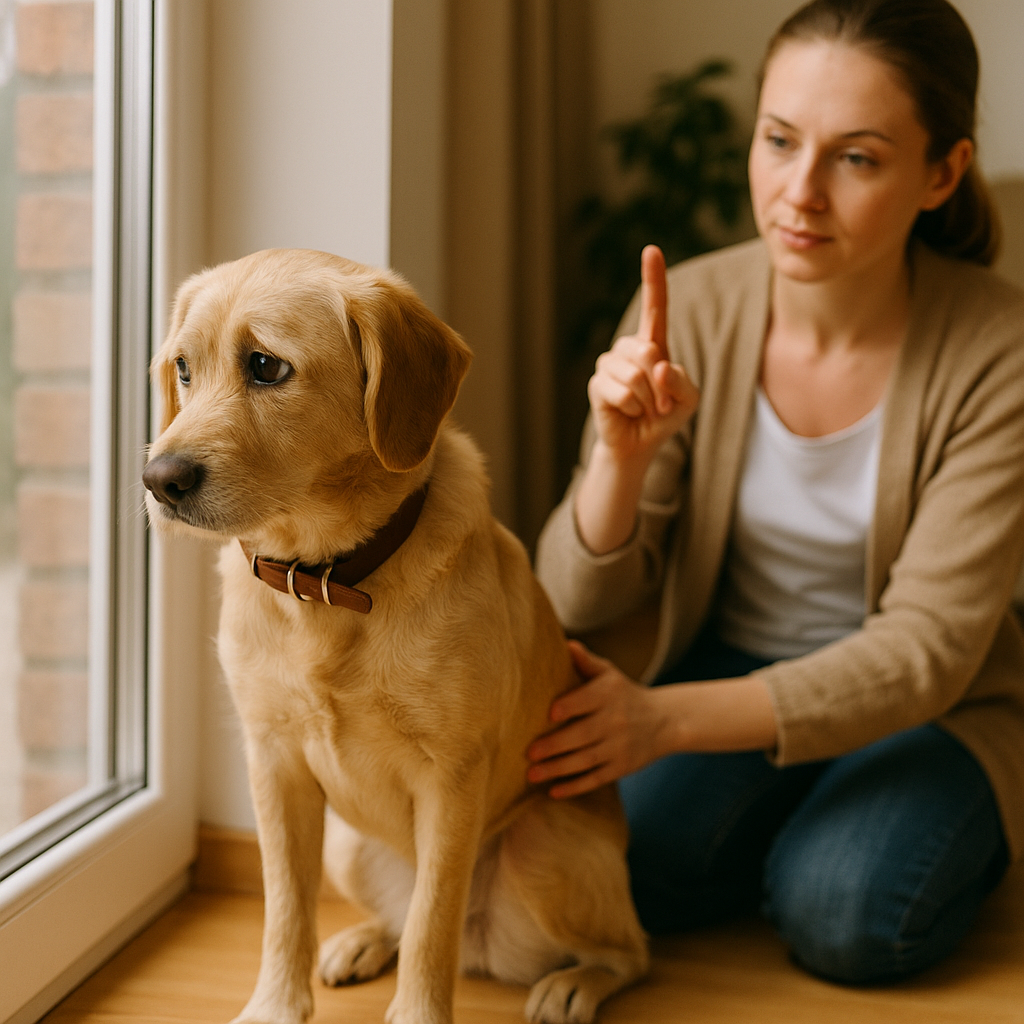
Understanding Separation Anxiety in Dogs
Separation anxiety is a common behavioral issue in dogs, characterized by extreme distress when left alone. This condition not only affects the well-being of your canine companion but can also lead to disruptive behaviors that impact your household. Recognizing the signs, understanding the causes, and implementing effective coping strategies are essential steps in helping your dog manage separation anxiety.
Recognizing the Signs of Separation Anxiety
Identifying separation anxiety involves observing your dog's behavior when they are left alone. Common indicators include:
Destructive Behavior: Chewing furniture, scratching doors, or tearing household items. Such actions often result from the dog's attempt to escape or alleviate stress. (aspca.org)
Excessive Vocalization: Persistent barking, howling, or whining that occurs primarily during your absence. This vocalization is a direct response to the anxiety of being alone. (aspca.org)
House Soiling: Urinating or defecating indoors despite being house-trained. This behavior is typically linked to the stress experienced during separation. (aspca.org)
Pacing and Restlessness: Repetitive walking in fixed patterns, such as circles or straight lines, indicating agitation. (aspca.org)
Escape Attempts: Trying to break out of confined areas, which can lead to self-injury. (aspca.org)
Drooling and Panting: Excessive salivation and rapid breathing, even in the absence of physical exertion. (aspca.org)
It's important to note that these behaviors occur predominantly when the dog is left alone and are not typically displayed in the presence of their owner.
Common Causes of Separation Anxiety
Several factors can contribute to the development of separation anxiety in dogs:
Change in Routine: Alterations in the household schedule, such as a new job or different work hours, can disrupt a dog's sense of stability. (webmd.com)
Moving to a New Home: Relocating can be stressful for dogs, leading to anxiety when left alone in unfamiliar surroundings. (webmd.com)
Loss of a Family Member: The departure or death of a family member or another pet can trigger anxiety due to the change in the social environment. (webmd.com)
Lack of Socialization: Dogs that haven't been adequately socialized may struggle with being alone, as they are not accustomed to various environments and experiences. (forbes.com)
Previous Trauma: Dogs that have experienced abandonment, multiple rehomings, or time in shelters may develop separation anxiety due to past negative experiences. (forbes.com)
Understanding these causes can aid in developing a tailored approach to managing your dog's anxiety.
Strategies to Help Your Dog Cope
Addressing separation anxiety requires patience and a combination of behavioral training, environmental adjustments, and, in some cases, medical intervention. Here are effective strategies to consider:
Gradual Desensitization
Gradual desensitization involves slowly acclimating your dog to being alone:
Short Departures: Begin by leaving your dog alone for brief periods, gradually increasing the duration as they become more comfortable.
Positive Associations: Provide treats or favorite toys when you leave to create a positive connection with your departure.
Calm Departures and Arrivals: Avoid making a fuss when leaving or returning home to minimize anxiety triggers. (aspca.org)
Environmental Enrichment
Creating a stimulating environment can help distract your dog and reduce anxiety:
Interactive Toys: Use puzzle feeders or treat-dispensing toys to keep your dog engaged during your absence.
Comfort Items: Leave an item with your scent, such as a worn t-shirt, to provide reassurance.
Background Noise: Playing soft music or leaving the television on can offer a sense of company. (rspca.org.uk)
Consistent Routine
Maintaining a predictable daily schedule can provide a sense of security:
Regular Exercise: Ensure your dog receives adequate physical activity to reduce excess energy and promote relaxation.
Feeding Times: Stick to consistent feeding schedules to establish routine.
Training Sessions: Incorporate regular training to build confidence and mental stimulation.
Professional Assistance
If your dog's anxiety is severe or persists despite your efforts, seeking professional help is advisable:
Veterinarian Consultation: Rule out any underlying medical issues that may contribute to anxiety.
Certified Animal Behaviorist: Work with a professional to develop a customized behavior modification plan.
Medication: In some cases, medication prescribed by a veterinarian can be beneficial in managing anxiety symptoms. (forbes.com)
Avoid Punishment
It's crucial to avoid punishing your dog for behaviors associated with separation anxiety:
Negative Reinforcement: Punishment can increase anxiety and exacerbate the problem.
Positive Reinforcement: Focus on rewarding desired behaviors to encourage calmness and confidence. (rspca.org.uk)
Preventing Separation Anxiety
Preventative measures can help reduce the likelihood of separation anxiety developing:
Early Training: Teach puppies to be comfortable with short periods of alone time from an early age.
Socialization: Expose your dog to various environments, people, and experiences to build resilience.
Gradual Changes: Introduce any changes in routine or environment slowly to allow your dog to adjust.
By implementing these strategies, you can help your dog feel more secure and reduce the impact of separation anxiety on their quality of life.
Conclusion
Separation anxiety in dogs is a challenging condition, but with understanding, patience, and the right approach, it can be managed effectively. By recognizing the signs, understanding the causes, and employing appropriate coping strategies, you can support your dog's emotional well-being. Remember, every dog is unique, and what works for one may not work for another. If you're seeking additional support, consider exploring KasPaws to connect with trusted local pet care professionals who can assist in managing your dog's separation anxiety.
For a visual overview of separation anxiety in dogs, including causes, symptoms, and treatment options, you may find the following video helpful:

Please note that while this video provides valuable insights, it's essential to consult with a veterinarian or professional dog behaviorist for personalized advice.
You might also like

Enhancing Your Pet's Life with Enrichment Activities
Discover how slow feeders, puzzle toys, and DIY enrichment activities can enhance your pet's mental and physical well-being.
4 min read
Separation Anxiety in Dogs: Signs, Causes, and Solutions
Learn to identify, understand, and address separation anxiety in dogs with practical strategies to help your pet cope when left alone.
4 min read

Maya’s Road Trip: Building Confidence One Stop at a Time
A personal story about taking Maya, a service dog in training, on a road trip from Arizona to Northern California and how real-world experiences helped build her confidence.
5 min read