Separation Anxiety in Dogs: Signs, Causes, and Solutions
By KasPaws Team · August 12, 2026 · 4 min read
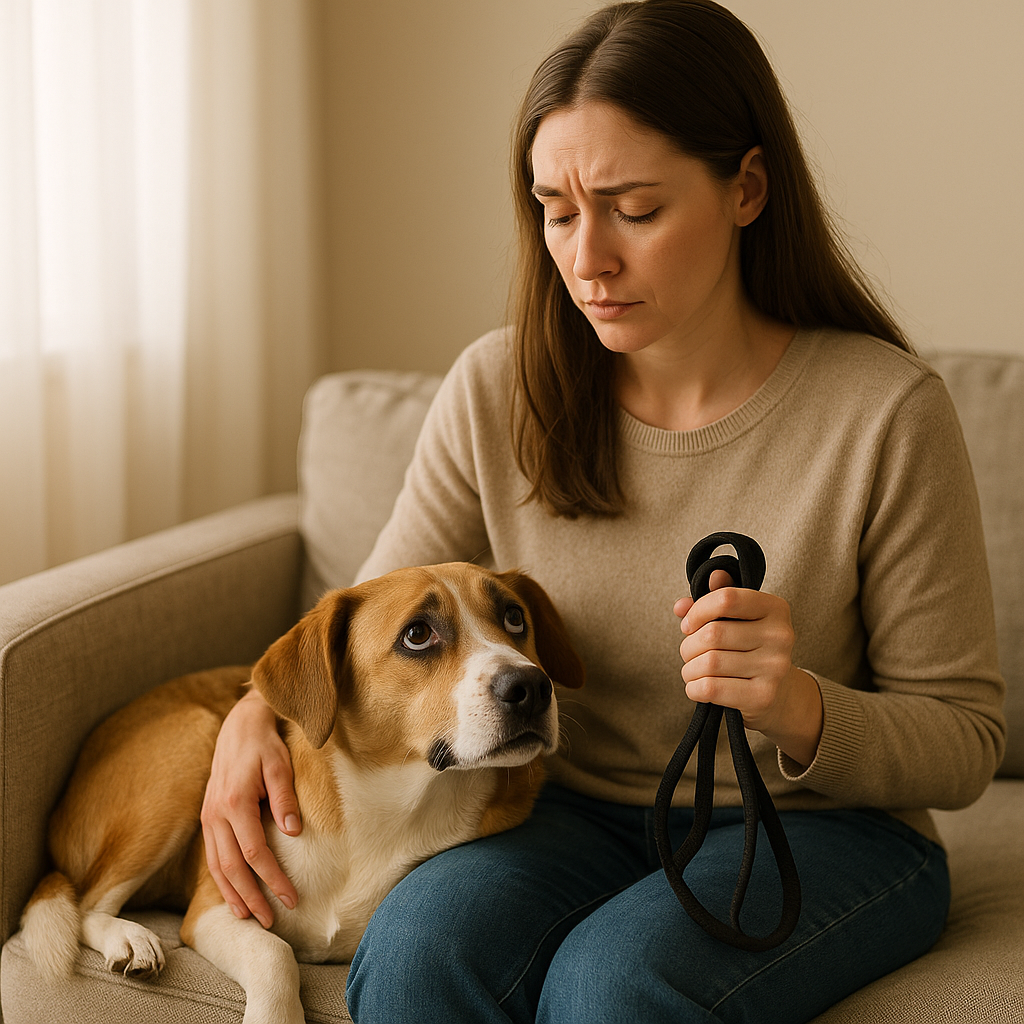
Understanding Separation Anxiety in Dogs
Separation anxiety is a common behavioral issue in dogs, characterized by extreme distress when left alone. This condition not only affects the well-being of your pet but can also lead to disruptive behaviors that impact your household. Recognizing the signs, understanding the causes, and implementing effective coping strategies are essential steps in helping your dog manage separation anxiety.
Recognizing the Signs of Separation Anxiety
Identifying separation anxiety involves observing your dog's behavior before, during, and after your absence. Common indicators include:
Destructive Behavior: Dogs may chew on furniture, scratch doors, or dig at windows in an attempt to escape and reunite with their owners. Such behaviors often result in self-injury, including broken teeth and damaged nails. (aspca.org)
Excessive Vocalization: Persistent barking, howling, or whining that begins shortly after departure and continues for extended periods is a hallmark of separation anxiety. (aspca.org)
House Soiling: Urinating or defecating indoors, despite being house-trained, can occur due to the stress associated with being left alone. (aspca.org)
Pacing and Restlessness: Repetitive movements, such as pacing in a fixed pattern, often manifest as a coping mechanism for anxiety. (aspca.org)
Physical Symptoms: Signs like excessive drooling, panting, trembling, or even vomiting can indicate distress related to separation. (aspca.org)
Common Causes of Separation Anxiety
Understanding the root causes of separation anxiety can aid in developing effective interventions. Factors contributing to this condition include:
Change in Routine: Sudden alterations in the household schedule, such as a family member returning to work after an extended period at home, can trigger anxiety in dogs. (webmd.com)
Loss of a Family Member: The departure or death of a key person or another pet can lead to feelings of insecurity and anxiety. (webmd.com)
Relocation: Moving to a new home introduces unfamiliar environments and routines, which can be stressful for dogs. (webmd.com)
Lack of Socialization: Dogs that haven't been adequately socialized may struggle with being alone, as they haven't learned to feel secure in their own company. (webmd.com)
Previous Trauma: Dogs that have experienced abandonment, multiple rehomings, or time in shelters are more susceptible to developing separation anxiety. (webmd.com)
Strategies to Help Your Dog Cope
Addressing separation anxiety requires a combination of behavioral training, environmental adjustments, and, in some cases, medical intervention. Here are several strategies to consider:
Gradual Desensitization
Gradually accustom your dog to being alone by starting with short departures and slowly increasing the duration over time. This process helps your dog build confidence and reduces anxiety associated with your absence. (aspca.org)
Example: Begin by leaving your dog alone for five minutes, then gradually extend the time as they become more comfortable.
Create a Safe Space
Designate a comfortable area in your home where your dog feels secure. This space should include their bed, favorite toys, and items that carry your scent to provide comfort during your absence. (aspca.org)
Example: Set up a cozy corner with your dog's blanket and a piece of clothing you've recently worn.
Provide Mental and Physical Stimulation
Engage your dog in regular exercise and mental activities to reduce anxiety levels. A well-exercised dog is more likely to rest calmly when left alone. (aspca.org)
Example: Incorporate daily walks, play sessions, and puzzle toys into your dog's routine.
Use Positive Reinforcement
Reward your dog for calm behavior during departures and arrivals. Avoid making a fuss when leaving or returning home to prevent reinforcing anxious behaviors. (aspca.org)
Example: Give your dog a treat when they remain calm as you prepare to leave.
Consider Professional Help
If your dog's anxiety is severe, consult with a veterinarian or a professional dog behaviorist. They can develop a tailored plan and may recommend medications to assist with anxiety management. (aspca.org)
Example: A behaviorist might suggest specific training exercises or environmental modifications to alleviate anxiety.
Utilize Calming Aids
Products such as pheromone diffusers, calming collars, or anxiety wraps can provide additional support in managing your dog's anxiety. (aspca.org)
Example: An anxiety wrap applies gentle pressure, which can have a calming effect on some dogs.
Preventing Separation Anxiety
Preventative measures can reduce the likelihood of your dog developing separation anxiety:
Early Training: Teach puppies to be comfortable alone by leaving them for short periods and gradually increasing the time.
Consistent Routine: Maintain a predictable schedule for feeding, walks, and playtime to provide a sense of security.
Socialization: Expose your dog to various environments, people, and experiences to build confidence and adaptability.
Avoid Reinforcing Anxiety: Refrain from overly emotional departures and arrivals to prevent reinforcing anxious behaviors.
Conclusion
Separation anxiety in dogs is a challenging condition, but with patience, understanding, and appropriate interventions, you can help your pet feel more secure when alone. Remember, each dog is unique, and finding the right combination of strategies may take time. For additional support and resources, consider exploring KasPaws, where you can connect with trusted local pet sitters and boarders to ensure your dog's well-being during your absences.
You might also like
Enhancing Your Dog's Gut Health with Probiotics
Discover how probiotics can enhance your dog's gut health, improve digestion, and boost immune function. Learn about selecting the right probiotic...
3 min read
Personalized and Functional Diets for Pets: A 2026 Guide
Discover how personalized and functional diets can enhance your pet's health and well-being in 2026.
3 min read
Enhancing Your Dog's Gut Health with Probiotics
Discover how probiotics can enhance your dog's gut health, improve digestion, and boost immunity. Learn to choose and integrate the right supplement...
3 min read