Personalized and Functional Diets for Pets: A 2026 Guide
By KasPaws Team · September 6, 2026 · 3 min read

Understanding Personalized Pet Diets
In recent years, the pet food industry has seen a significant shift towards personalized nutrition, aiming to cater to the unique needs of each pet. Personalized pet diets are tailored meal plans designed based on an individual pet's characteristics such as breed, age, weight, activity level, and health status. This approach ensures that pets receive optimal nutrition that supports their overall health and addresses specific concerns.
The Rise of Personalized Nutrition
The demand for personalized pet nutrition has been on the rise, with the market projected to grow from $4.6 billion in 2026 to $14.7 billion by 2034, reflecting a robust CAGR of 15.5% during the forecast period. (strategymrc.com) This growth is driven by pet owners' increasing desire to provide tailored diets that promote longevity and well-being.
How Personalized Diets Work
Personalized pet diets typically involve:
- Comprehensive Pet Profiles: Gathering detailed information about the pet's breed, age, weight, activity level, and health history.
- Custom Formulation: Using the collected data to create a diet plan that meets the pet's specific nutritional requirements.
- Delivery and Monitoring: Providing freshly prepared meals delivered to the pet owner's doorstep, with ongoing adjustments based on the pet's response and changing needs.
Benefits of Personalized Diets
- Targeted Nutrition: Addresses specific health issues such as allergies, digestive problems, or weight management.
- Improved Health Outcomes: Supports overall health, potentially leading to increased energy levels, better coat condition, and enhanced immune function.
- Convenience: Pre-portioned meals simplify feeding routines and ensure consistency.
Exploring Functional Pet Diets
Functional pet diets go beyond basic nutrition by including ingredients that provide health benefits beyond essential nutrients. These diets are formulated to support specific bodily functions and prevent or manage health conditions.
Key Components of Functional Diets
Functional pet foods often contain:
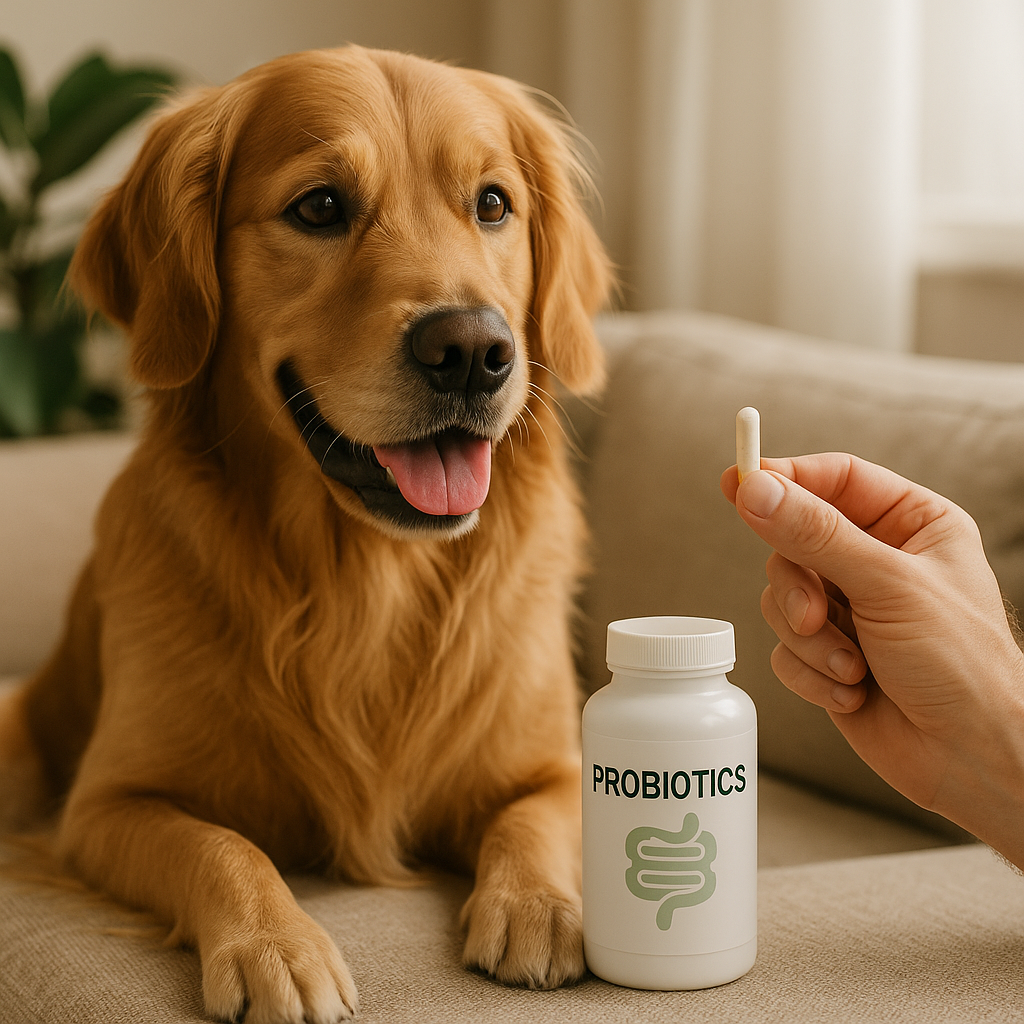
- Probiotics and Prebiotics: Support a healthy gut microbiome, enhancing digestion and immune function.
- Omega-3 Fatty Acids: Found in fish oil and flaxseed, these support skin and coat health and have anti-inflammatory properties.
- Antioxidants: Vitamins C and E, beta-carotene, and selenium help protect cells from oxidative damage and boost immune defenses.
- High-Quality Proteins: Easily digestible animal proteins such as chicken, salmon, or lamb provide essential amino acids for muscle maintenance and overall health. (petclub.co.th)
Popular Functional Diets in 2026
Several pet food companies have introduced functional diets to meet the growing demand:
Royal Canin Fresh Veterinary Diets: Launched in July 2026, this line includes fresh, fully cooked therapeutic diets available exclusively through veterinarians, targeting gastrointestinal needs, food sensitivities, and reduced appetite. (mars.com)
Wynwood's FRESH RX® Line: Introduced two fresh prescription diets—Low Fat Digestive Support and Weight + Mobility Support—designed to address complex, nutritionally responsive conditions. (petfoodprocessing.net)
Hill's Science Diet Single Protein Dog Food Rolls: Entered the fresh pet food market with refrigerated dog food rolls, catering to pet owners seeking minimally processed options. (feedbusinessmea.com)
Integrating Personalized and Functional Diets
Combining personalized and functional approaches can provide comprehensive nutritional solutions for pets. For instance, a personalized diet plan can incorporate functional ingredients tailored to a pet's specific health needs, such as adding glucosamine and chondroitin for joint support in an active dog or including omega-3 fatty acids for a pet with skin issues.
Steps to Implement
- Consult with a Veterinarian: Before making dietary changes, discuss your pet's health and nutritional needs with a professional.
- Choose Reputable Brands: Select pet food companies that offer personalized and functional diets backed by scientific research.
- Monitor Your Pet's Response: Observe changes in your pet's health and behavior, and adjust the diet as needed.
Conclusion
As the pet food industry evolves, personalized and functional diets are becoming essential tools for pet owners aiming to provide optimal nutrition tailored to their pets' unique needs. By understanding and implementing these dietary approaches, you can enhance your pet's health, longevity, and quality of life.
Ready to find trusted local care for your pet? Explore sitters and boarders on KasPaws.
You might also like

Understanding and Managing Separation Anxiety in Dogs
Learn to recognize, understand, and manage separation anxiety in dogs with effective strategies and professional guidance.
2 min read

Enhancing Your Dog's Health with Fresh Food, Treats, and
Discover how fresh foods, healthy treats, and supplements like probiotics and collagen can enhance your dog's health and well-being.
3 min read
Enhancing Your Dog's Gut Health with Probiotics
Discover how probiotics can enhance your dog's gut health, improve digestion, and boost immune function.
2 min read