Understanding and Managing Separation Anxiety in Dogs
By KasPaws Team · October 19, 2026 · 2 min read

Separation anxiety is a common behavioral issue in dogs, characterized by distress when left alone. Recognizing the signs, understanding the causes, and implementing effective coping strategies can significantly improve your dog's well-being.
Recognizing the Signs of Separation Anxiety
Dogs with separation anxiety exhibit various behaviors when left alone. Common signs include:
Destructive Behavior: Chewing furniture, scratching doors, or digging, often near exit points. (akc.org)
Vocalization: Excessive barking, howling, or whining shortly after departure. (aspca.org)
House Soiling: Urinating or defecating indoors despite being house-trained. (aspca.org)
Pacing and Restlessness: Repetitive walking in fixed patterns. (aspca.org)
Escape Attempts: Trying to break through doors or windows, risking self-injury. (aspca.org)
Excessive Salivation and Panting: Signs of stress manifesting physically. (rspca.org.uk)
Common Causes of Separation Anxiety
Several factors can contribute to the development of separation anxiety in dogs:
Change in Routine: Sudden alterations in the owner's schedule can trigger anxiety. (webmd.com)
Moving to a New Home: Relocating can be stressful and lead to anxiety. (bestfriends.org)
Loss of a Family Member: The absence of a familiar person or pet can cause distress. (bestfriends.org)
Lack of Early Socialization: Insufficient exposure to various environments and experiences during puppyhood. (akc.org)
Strategies to Help Your Dog Cope
Addressing separation anxiety involves patience and consistency. Here are effective strategies:
Gradual Desensitization
Gradually accustom your dog to being alone:
Short Departures: Start by leaving for brief periods, gradually increasing the duration.
Positive Associations: Provide treats or toys before leaving to create positive experiences. (akc.org)
Calm Departures and Arrivals: Avoid making a fuss when leaving or returning to reduce anxiety.
Crate Training
A crate can serve as a safe space:
Positive Introduction: Associate the crate with positive experiences like feeding and treats.
Gradual Alone Time: Encourage your dog to spend time in the crate while you're home before leaving them alone. (akc.org)
Mental and Physical Stimulation
Ensure your dog receives adequate exercise and mental engagement:
Regular Exercise: Daily walks and play sessions to expend energy.
Interactive Toys: Use puzzle toys to keep your dog occupied. (akc.org)
Professional Assistance
If anxiety persists, consult professionals:
Veterinarian: Rule out medical issues and discuss possible medications.
Certified Trainer or Behaviorist: Develop a tailored behavior modification plan. (petmd.com)
Medication and Supplements
In severe cases, medication may be necessary:
Anti-Anxiety Medications: Prescribed by a veterinarian to reduce anxiety levels.
Natural Supplements: Options like CBD or valerian may help but should be discussed with a vet. (akc.org)
Preventing Separation Anxiety
Preventive measures can reduce the risk of developing separation anxiety:
Early Training: Teach puppies to be comfortable alone for short periods.
Consistent Routine: Maintain regular feeding, exercise, and departure schedules.
Avoid Reinforcing Clingy Behavior: Encourage independence by not rewarding excessive clinginess. (akc.org)
Conclusion
Managing separation anxiety requires understanding, patience, and consistent effort. By recognizing the signs, addressing the causes, and implementing effective strategies, you can help your dog feel more secure when alone. For additional support and resources, consider exploring KasPaws, where you can connect with trusted local pet care providers to assist in your dog's well-being.
You might also like
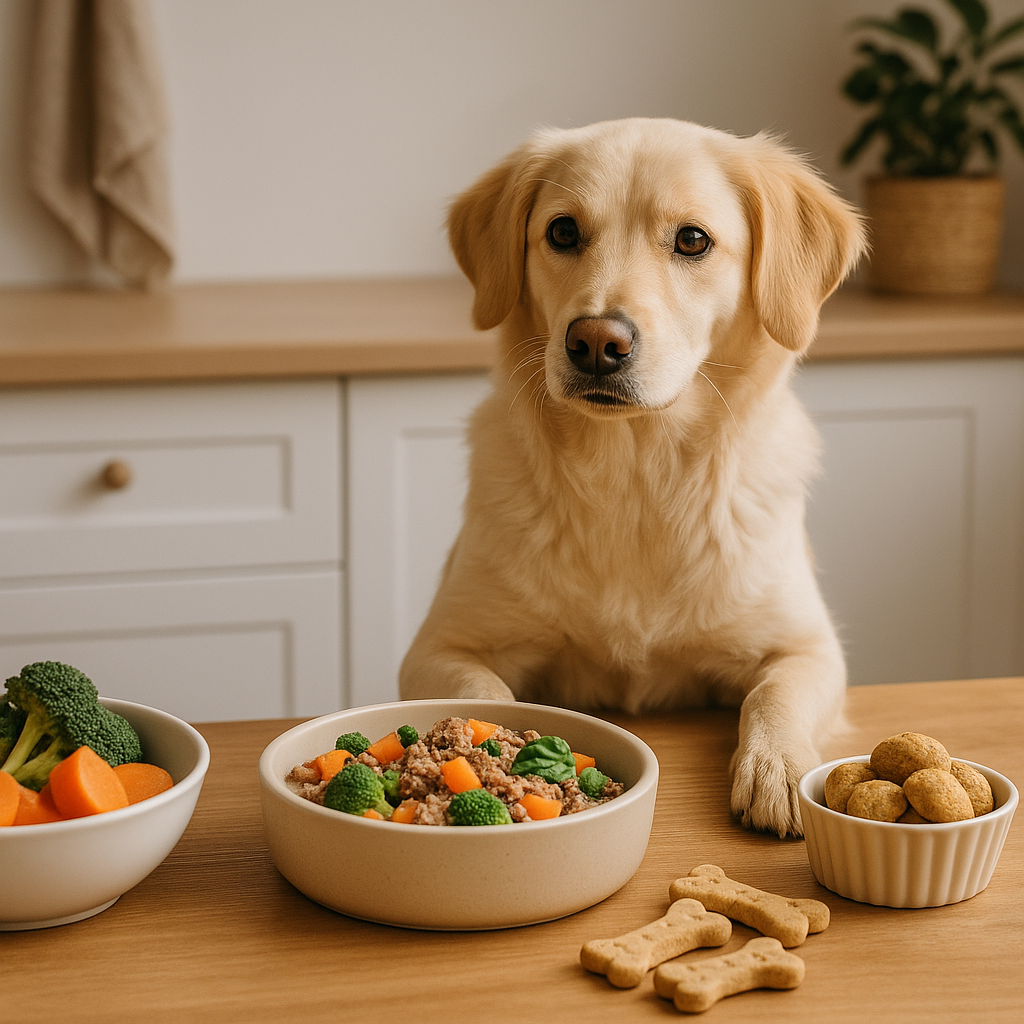
Enhancing Your Dog's Health with Fresh Food, Treats, and
Discover how fresh foods, healthy treats, and supplements like probiotics and collagen can enhance your dog's health and well-being.
3 min read
Enhancing Your Dog's Gut Health with Probiotics
Discover how probiotics can enhance your dog's gut health, improve digestion, and boost immune function.
2 min read
Enhancing Your Dog's Gut Health with Probiotics
Discover how probiotics can enhance your dog's gut health, improve digestion, and boost immune function. Learn about selecting the right probiotic...
3 min read