Enhancing Your Dog's Gut Health with Probiotics
By KasPaws Team · August 30, 2026 · 3 min read
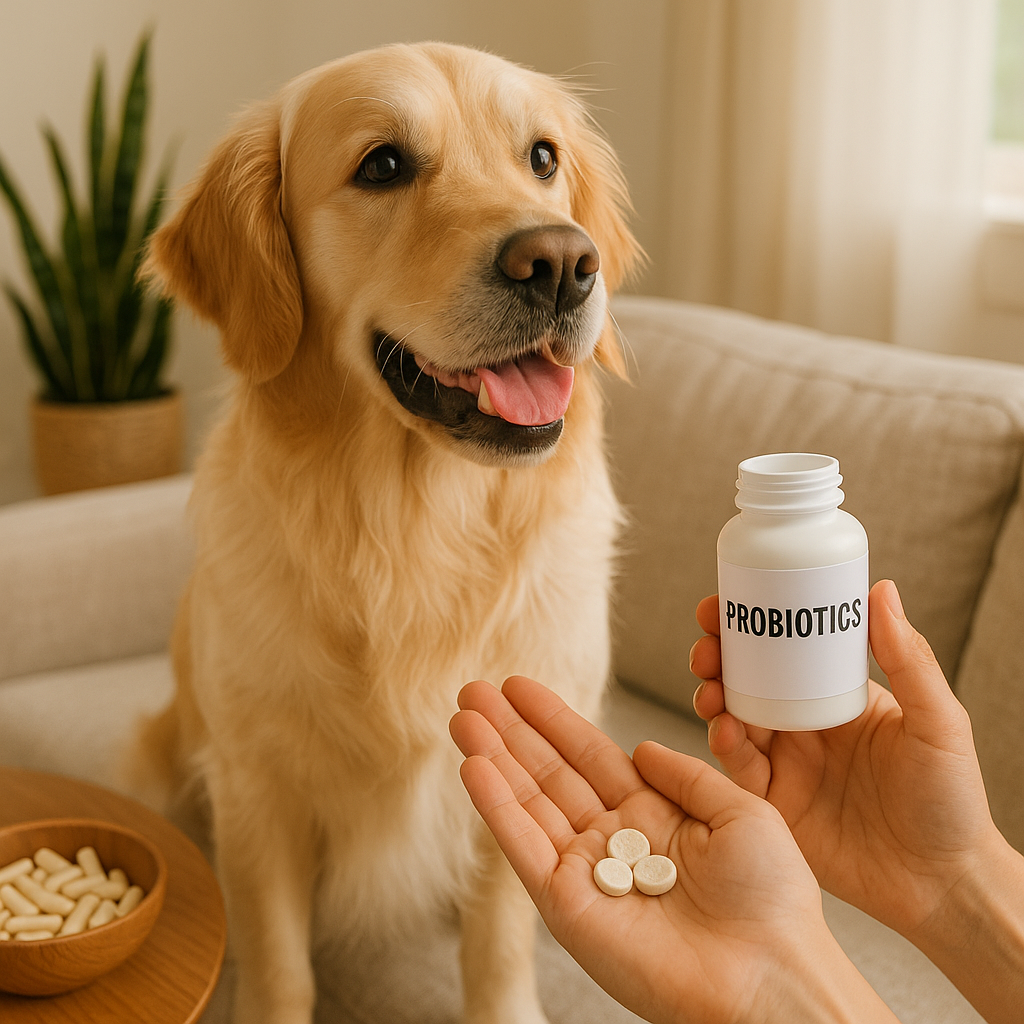
Understanding Your Dog's Gut Health
A dog's digestive system is a complex network that plays a pivotal role in overall health. The gut is home to trillions of microorganisms, collectively known as the microbiome, which aid in digestion, nutrient absorption, and immune function. Maintaining a balanced gut microbiome is essential for your dog's well-being.
The Role of Probiotics in Canine Health
Probiotics are live beneficial bacteria that, when administered in adequate amounts, confer health benefits to the host. In dogs, probiotics can:
Improve Digestive Health: They help break down food, making nutrients more accessible and reducing gastrointestinal issues like diarrhea and constipation.
Enhance Immune Function: A significant portion of the immune system resides in the gut. Probiotics can stimulate immune responses, helping dogs fend off infections.
Reduce Allergic Reactions: By modulating the immune system, probiotics may decrease the severity of allergies.
Support Mental Health: Emerging research suggests a connection between gut health and behavior, indicating that a balanced microbiome can positively influence a dog's mood and anxiety levels.
Selecting the Right Probiotic for Your Dog
When choosing a probiotic supplement, consider the following factors:
Canine-Specific Strains: Opt for products containing bacterial strains native to dogs, as they are more likely to colonize effectively in the canine gut. For instance, Lactobacillus acidophilus and Bifidobacterium bifidum are commonly used strains.
Prebiotics Inclusion: Prebiotics are non-digestible fibers that feed beneficial bacteria. Supplements combining prebiotics and probiotics can offer enhanced benefits. For example, products like GutSense® provide a blend of prebiotics, probiotics, and postbiotics to support gut health. Source
CFU Count: Colony Forming Units (CFUs) indicate the number of viable bacteria in a supplement. A higher CFU count can be more effective, but it's essential to follow the recommended dosage.
Formulation and Palatability: Probiotics come in various forms, including powders, capsules, and chews. Choose a form that your dog finds palatable and is easy to administer.
Incorporating Probiotics into Your Dog's Diet
Introducing probiotics should be done gradually:
Consult Your Veterinarian: Before starting any supplement, discuss it with your vet, especially if your dog has existing health conditions.
Start Slowly: Begin with a lower dose than recommended to allow your dog's system to adjust.
Monitor Your Dog: Observe for any adverse reactions, such as bloating or changes in stool consistency. If side effects occur, consult your veterinarian.
Consistency is Key: Administer the probiotic at the same time each day to establish a routine.
Natural Sources of Probiotics
In addition to supplements, certain foods can provide natural probiotics:
Plain Yogurt: Contains live cultures beneficial for gut health. Ensure it's free from artificial sweeteners and flavors.
Kefir: A fermented milk drink rich in probiotics. Opt for unsweetened, plain varieties.
Fermented Vegetables: Small amounts of sauerkraut or kimchi can be introduced, but ensure they are low in sodium and free from harmful additives.
Always introduce new foods gradually and in moderation to prevent digestive upset.
Potential Side Effects and Precautions
While probiotics are generally safe, some dogs may experience:
Digestive Upset: Temporary gas or diarrhea as the gut adjusts.
Allergic Reactions: Rare, but possible. Discontinue use if you notice signs like itching or swelling.
Interactions with Medications: Probiotics can interact with certain medications. Always inform your veterinarian about any supplements your dog is taking.
Conclusion
Maintaining your dog's gut health is a cornerstone of their overall well-being. Probiotics offer a natural and effective way to support digestive health, boost immunity, and enhance quality of life. By selecting the right probiotic and incorporating it thoughtfully into your dog's routine, you can help ensure they lead a happy, healthy life.
Ready to find trusted local care for your pet? Explore sitters and boarders on KasPaws.
You might also like
Enhancing Your Dog's Gut Health with Probiotics
Discover how probiotics can enhance your dog's gut health, improve digestion, and boost immune function.
2 min read
Enhancing Your Dog's Gut Health with Probiotics
Discover how probiotics can enhance your dog's gut health, improve digestion, and boost immune function. Learn about selecting the right probiotic...
3 min read
Personalized and Functional Diets for Pets: A 2026 Guide
Discover how personalized and functional diets can enhance your pet's health and well-being in 2026.
3 min read