Dog Grooming: Frequency, At-Home Tips, and Professional Care
By KasPaws Team · August 4, 2026 · 4 min read
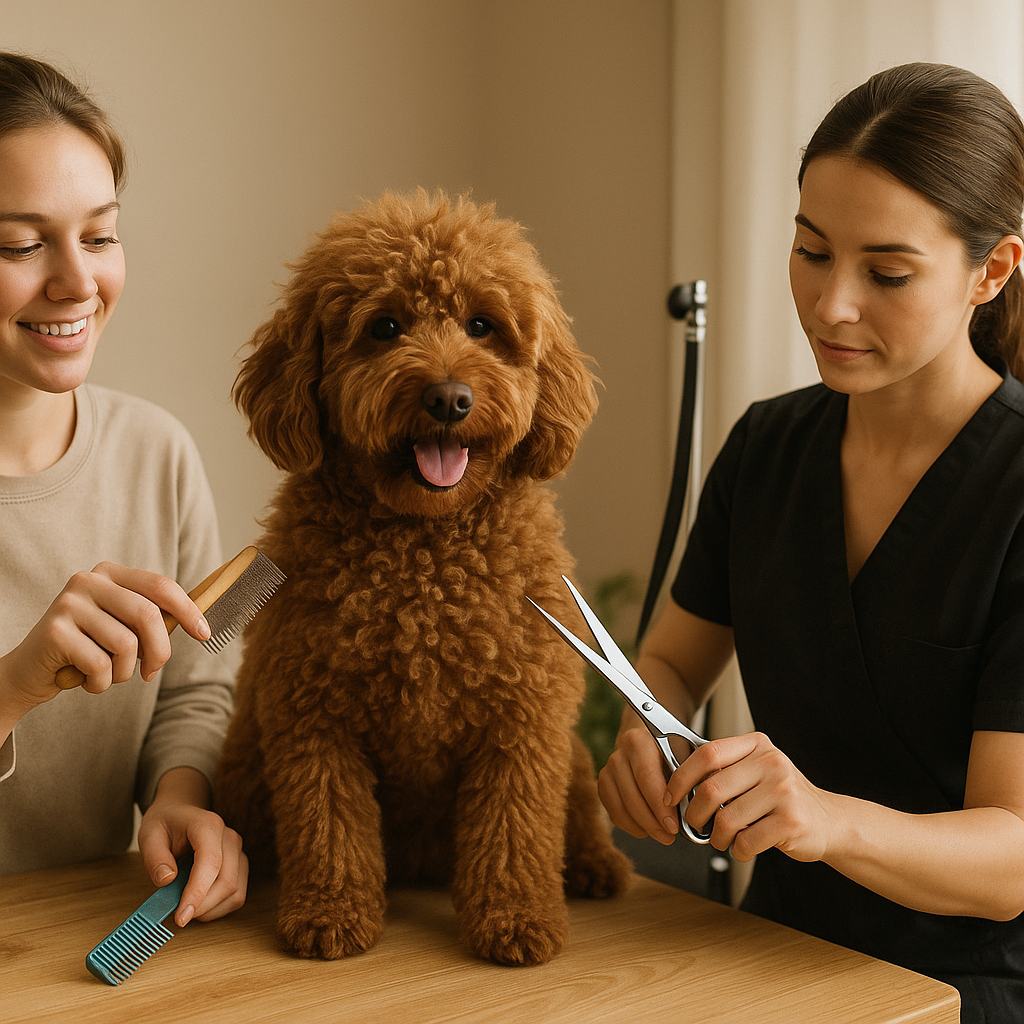
Maintaining your dog's grooming routine is essential for their health and happiness. Regular grooming not only keeps your dog looking their best but also prevents potential health issues such as skin infections and matting. Understanding how often to groom your dog, mastering at-home grooming techniques, and knowing when to seek professional help are key components of responsible pet ownership.
How Often Should You Groom Your Dog?
The frequency of grooming depends largely on your dog's breed, coat type, and lifestyle. Here's a general guideline based on coat types:
Short-Haired Breeds (e.g., Beagles, Boxers):
- Brushing: Once a week to remove loose hair and distribute skin oils.
- Bathing: Every 2–3 months, or as needed if they get particularly dirty.
- Professional Grooming: Every 8–12 weeks for nail trimming and ear cleaning.
Medium-Length Coats (e.g., Golden Retrievers, Border Collies):
- Brushing: 2–3 times per week to prevent tangles and manage shedding.
- Bathing: Every 4–6 weeks, depending on activity level.
- Professional Grooming: Every 6–8 weeks for thorough cleaning and trimming.
Long-Haired Breeds (e.g., Shih Tzus, Yorkshire Terriers):
- Brushing: Daily to prevent matting and tangles.
- Bathing: Every 3–4 weeks to maintain coat health.
- Professional Grooming: Every 4–6 weeks for haircuts and detailed grooming.
Curly or Wavy Coats (e.g., Poodles, Doodles):
- Brushing: Every 1–2 days to prevent matting.
- Bathing: Every 3–5 weeks.
- Professional Grooming: Every 4–8 weeks for trimming and maintenance.
These are general recommendations; individual needs may vary. Always consider your dog's specific requirements and consult with your veterinarian or a professional groomer for personalized advice.
At-Home Grooming Tips
Regular at-home grooming strengthens the bond between you and your dog and helps you monitor their health. Here are some essential at-home grooming practices:
Brushing
Choose the Right Brush:
- Short-Haired Dogs: Use a rubber curry brush or bristle brush.
- Long-Haired Dogs: A slicker brush helps remove tangles and mats.
- Double-Coated Dogs: An undercoat rake can effectively remove loose undercoat hair.
Technique:
- Brush in the direction of hair growth.
- Be gentle to avoid skin irritation.
- Pay special attention to areas prone to matting, such as behind the ears and under the legs.
Bathing
Preparation:
- Brush your dog thoroughly before bathing to remove loose hair and detangle.
- Use lukewarm water and a dog-specific shampoo to maintain skin pH balance.
Bathing Process:
- Wet your dog completely, avoiding the head.
- Apply shampoo from the neck down, lathering well.
- Rinse thoroughly to prevent residue that can cause irritation.
- Dry your dog with a towel and, if necessary, use a blow dryer on a low, cool setting.
Nail Trimming
Tools:
- Use dog-specific nail clippers or a grinder.
Procedure:
- Hold the paw firmly but gently.
- Trim small bits at a time to avoid cutting the quick (the sensitive part of the nail).
- If you accidentally cut the quick, apply styptic powder to stop bleeding.
Ear Cleaning
Inspection:
- Check for redness, swelling, or unusual odor, which may indicate infection.
Cleaning:
- Use a vet-recommended ear cleaner and cotton balls.
- Gently wipe the outer ear; avoid inserting anything deep into the ear canal.
Dental Care
Brushing:
- Use a dog-specific toothbrush and toothpaste.
- Brush several times a week to prevent plaque buildup.
Chews and Toys:
- Provide dental chews and toys to help clean teeth and freshen breath.
When to Visit a Professional Groomer
While regular at-home grooming is beneficial, certain situations require professional attention:
Severe Matting:
- If your dog's coat has significant mats that you cannot safely remove, a professional groomer can address them without causing discomfort or injury.
Breed-Specific Cuts:
- Breeds like Poodles or Schnauzers often require specific haircuts that are best performed by professionals.
Skin Conditions:
- If you notice skin issues such as rashes, excessive dandruff, or parasites, a groomer can provide specialized treatments and advise on further care.
Nail Trimming Challenges:
- If you're uncomfortable trimming your dog's nails or if your dog resists, a groomer can perform this task safely.
Anal Gland Expression:
- Some dogs require regular expression of their anal glands, a procedure best handled by professionals.
Regular visits to a professional groomer ensure your dog's coat and skin remain healthy and can help identify potential health issues early.
Conclusion
Consistent grooming is vital for your dog's overall well-being. By establishing a regular grooming routine tailored to your dog's specific needs, you can keep them comfortable, healthy, and happy. Remember, while at-home grooming is essential, professional groomers play a crucial role in maintaining your dog's health and appearance.
Ready to find trusted local care for your pet? Explore sitters and boarders on KasPaws.
You might also like

Personalized and Functional Diets for Pets
Discover how personalized and functional diets can enhance your pet's health by addressing individual nutritional needs and supporting specific...
4 min read

Enhancing Your Dog's Gut Health with Probiotics
Discover how probiotics can enhance your dog's gut health, improve digestion, and boost immune function. Learn about selecting the right probiotic...
3 min read
Senior Pet Care: Keeping Aging Dogs and Cats Healthy
Learn how to adapt your care routines to keep aging dogs and cats healthy and comfortable in their senior years.
3 min read