Dog Grooming Essentials: Bathing, Brushing, and Professional Care
By KasPaws Team · October 22, 2026 · 3 min read
Maintaining your dog's grooming routine is vital for their health and happiness. Proper grooming not only keeps your dog looking great but also prevents skin issues, reduces shedding, and strengthens your bond. This guide covers how often to bathe your dog, the importance of brushing and coat care, and when to seek professional grooming services.
How Often Should You Bathe Your Dog?
The frequency of bathing your dog depends on several factors, including their coat type, activity level, and any skin conditions. Over-bathing can strip natural oils from the skin, leading to dryness and irritation, while infrequent bathing can result in dirt buildup and odor.
General Guidelines by Coat Type:
Short-Haired Breeds (e.g., Beagles, Boxers): Bathing every 4–6 weeks is typically sufficient. These breeds have less oil accumulation and are less prone to matting. (pawhealthguide.com)
Double-Coated Breeds (e.g., Huskies, Golden Retrievers): Bathing every 6–12 weeks is recommended. Frequent bathing can strip essential oils from their undercoat, affecting its insulating properties. (pawhealthguide.com)
Long-Haired and Curly Breeds (e.g., Poodles, Shih Tzus): Bathing every 4–6 weeks helps prevent matting and keeps the coat manageable. (pawhealthguide.com)
Considerations:
Activity Level: Dogs that are more active or spend a lot of time outdoors may require more frequent baths.
Skin Conditions: Dogs with specific skin issues may need medicated baths as prescribed by a veterinarian.
Always use dog-specific shampoos, as human products can disrupt the pH balance of a dog's skin.
The Importance of Brushing and Coat Care
Regular brushing is crucial for maintaining a healthy coat and skin. It removes loose hair, distributes natural oils, prevents matting, and allows you to check for any abnormalities like lumps or parasites.
Brushing Frequency by Coat Type:
Short-Haired Breeds: Brush once a week to remove loose hair and dirt.
Double-Coated Breeds: Brush 2–3 times a week, increasing to daily during shedding seasons to manage undercoat shedding. (parkwood.pet)
Long-Haired and Curly Breeds: Daily brushing is essential to prevent tangles and mats, which can lead to skin infections if left unattended. (parkwood.pet)
Tips for Effective Brushing:
Use the Right Tools: Select brushes and combs appropriate for your dog's coat type. For example, slicker brushes work well for long-haired breeds, while bristle brushes are suitable for short-haired dogs.
Be Gentle: Avoid pulling on tangles; instead, work through them slowly to prevent discomfort.
Check Sensitive Areas: Pay attention to areas prone to matting, such as behind the ears, under the legs, and around the collar.
When to Use a Professional Groomer
While regular at-home grooming is essential, professional groomers offer services that may be challenging to perform at home, such as haircuts, nail trimming, and ear cleaning. (en.wikipedia.org)
Signs It's Time for Professional Grooming:
Matting: If your dog's coat has developed mats that are difficult to remove, a professional groomer can safely address them.
Overgrown Nails: Long nails can cause discomfort and affect your dog's gait. Professionals can trim them to the appropriate length.
Ear Issues: If you notice excessive wax buildup or a foul odor from your dog's ears, a groomer can provide thorough cleaning.
Breed-Specific Cuts: Certain breeds require specific haircuts for comfort and hygiene, which are best performed by professionals.
Choosing a Professional Groomer:
Research: Look for groomers with positive reviews and proper certifications.
Visit the Facility: Ensure the grooming area is clean and well-maintained.
Discuss Your Dog's Needs: Communicate any specific requirements or concerns with the groomer beforehand.
Additional Grooming Considerations
Nail Trimming: Regular nail trims every 3–6 weeks prevent overgrowth that can lead to discomfort or injury. (pets24x7.com)
Ear Cleaning: Check and clean your dog's ears weekly to prevent infections, especially in breeds with floppy ears.
Dental Care: Brush your dog's teeth several times a week to maintain oral health and prevent dental diseases.
By establishing a consistent grooming routine tailored to your dog's specific needs, you can ensure they remain comfortable, healthy, and happy.
Ready to find trusted local care for your pet? Explore sitters and boarders on KasPaws.
You might also like
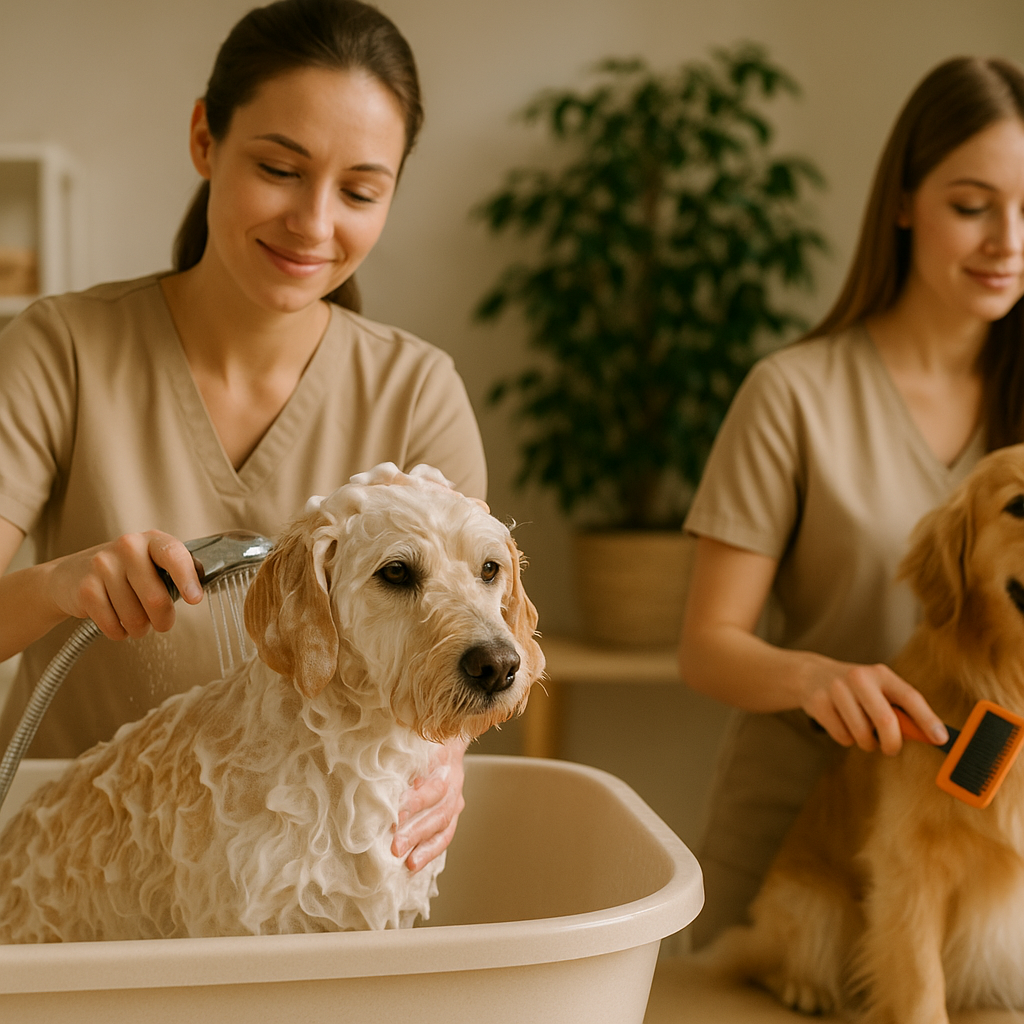
Comprehensive Guide to Dog Grooming: Bathing, Brushing, and
Learn the essentials of dog grooming, including bathing frequencies, brushing techniques, and when to seek professional grooming services.
3 min read
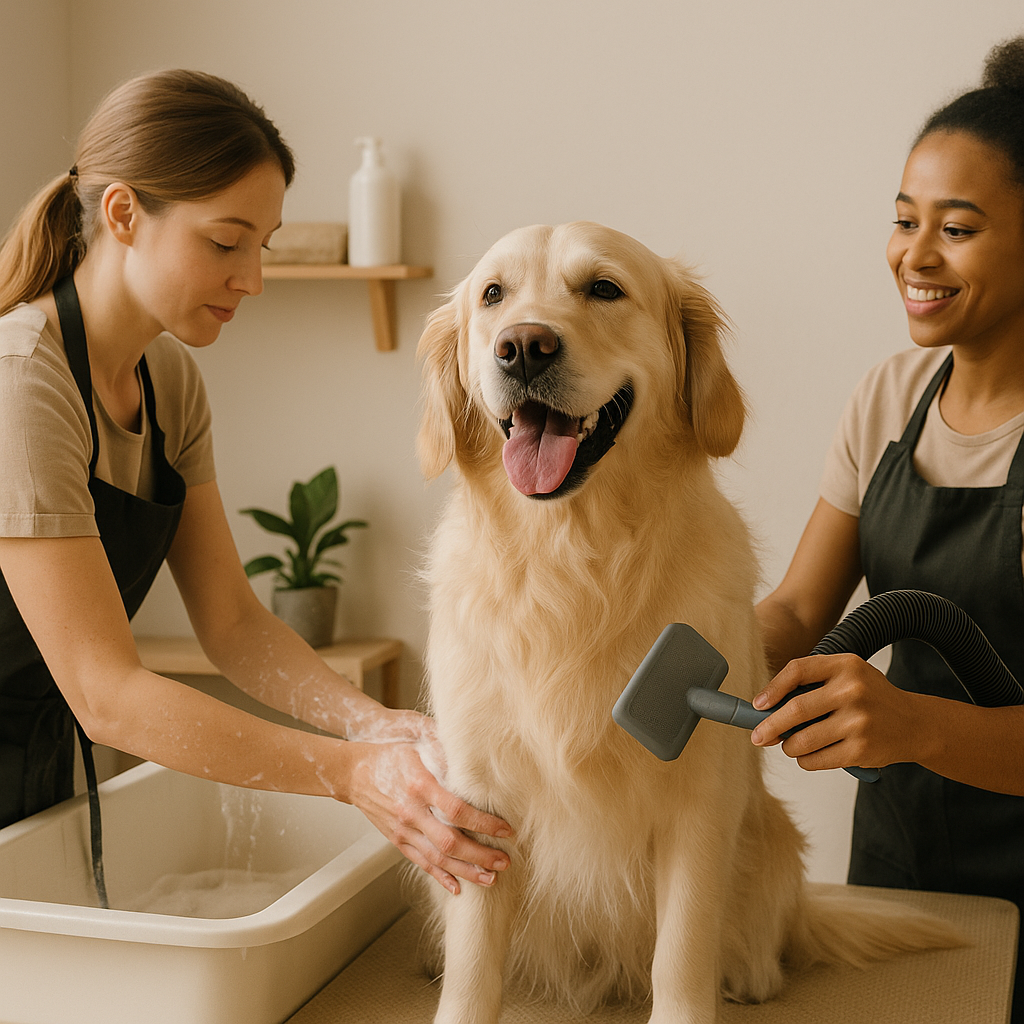
Dog Grooming: Bathing, Brushing, and Professional Care
Learn how to maintain your dog's hygiene with proper bathing, brushing, and when to seek professional grooming services.
3 min read
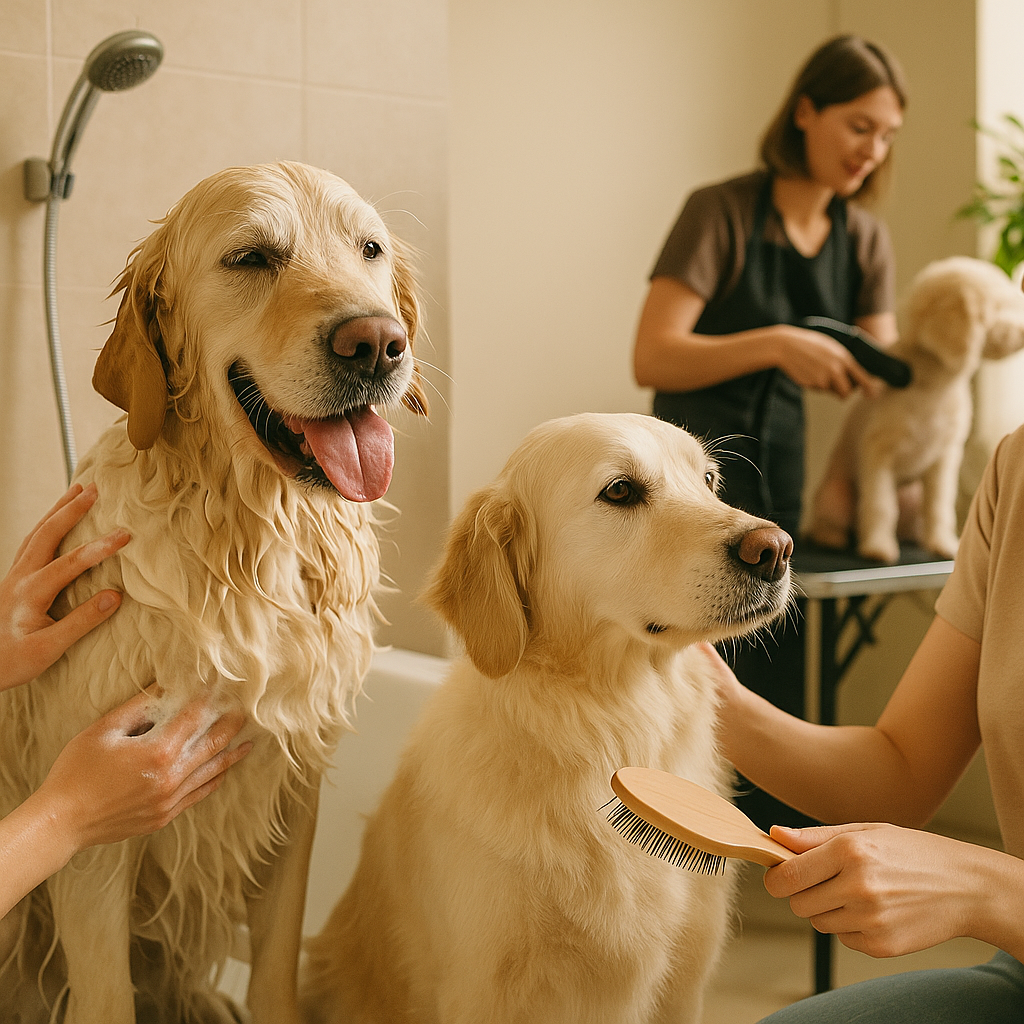
Dog Grooming: Bathing, Brushing, and Professional Care
Learn the best practices for bathing, brushing, and professional grooming to keep your dog healthy and happy.
4 min read