Comprehensive Guide to Dog Grooming: Bathing, Brushing, and
By KasPaws Team · October 16, 2026 · 3 min read
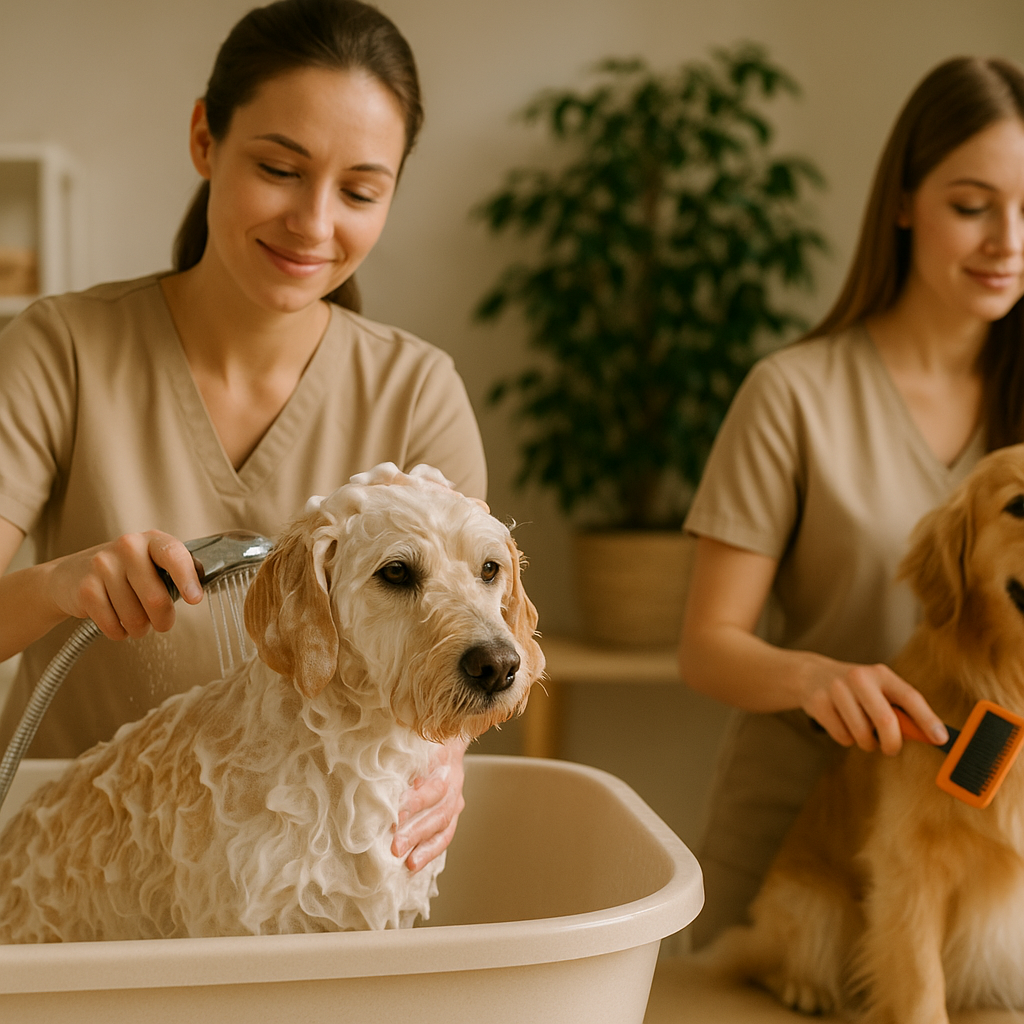
Ensuring your dog is well-groomed is essential for their health and happiness. Proper grooming involves regular bathing, brushing, and knowing when to seek professional assistance. This guide will help you understand the best practices for maintaining your dog's coat and overall well-being.
How Often Should You Bathe Your Dog?
The frequency of bathing your dog depends on several factors, including breed, coat type, lifestyle, and skin health. Over-bathing can strip natural oils from the skin, leading to dryness and irritation, while infrequent bathing can result in dirt buildup and odor.
General Guidelines by Coat Type:
Short, Smooth Coats (e.g., Beagles, Boxers): These breeds typically require baths every 6–8 weeks. Their coats naturally repel dirt, and over-bathing can lead to skin issues. (dogsupplyfinder.com)
Double-Coated Breeds (e.g., Golden Retrievers, Huskies): Bathing every 6–12 weeks is usually sufficient. Frequent brushing is more beneficial than frequent bathing to maintain coat health. (pawhealthguide.com)
Long or Curly Coats (e.g., Poodles, Bichon Frises): These dogs benefit from baths every 4–6 weeks to prevent matting and maintain coat texture. (dogcarechoice.com)
Hairless Breeds (e.g., Chinese Crested, Xoloitzcuintli): Due to their lack of fur, these breeds require more frequent bathing, approximately every 1–2 weeks, to remove skin oils and prevent pore blockages. (dogcarechoice.com)
Lifestyle Considerations:
Active dogs that spend a lot of time outdoors may need more frequent baths to remove dirt and allergens. Conversely, indoor dogs with minimal exposure to dirt may require less frequent bathing.
Skin Conditions:
Dogs with skin conditions may require specialized bathing routines. Always consult your veterinarian for guidance tailored to your dog's specific needs.
The Importance of Regular Brushing and Coat Care
Brushing is a crucial aspect of dog grooming that helps remove loose hair, dirt, and prevents matting. It also distributes natural oils throughout the coat, promoting skin health.
Brushing Frequency by Coat Type:
Short, Smooth Coats: Brush once a week to remove loose hair and distribute oils. (argus.dog)
Double-Coated Breeds: Brush 2–3 times a week, increasing to daily during shedding seasons to manage undercoat shedding. (argus.dog)
Long or Curly Coats: Daily brushing is recommended to prevent tangles and mats. (argus.dog)
Wire-Coated Breeds: Brush every other day to maintain coat texture and prevent matting. (argus.dog)
Brushing Techniques:
Use appropriate tools for your dog's coat type. For example, slicker brushes are effective for removing mats in long-haired breeds, while bristle brushes work well for short-haired dogs. Always brush gently to avoid skin irritation.
When to Seek Professional Grooming Services
While regular at-home grooming is essential, certain situations call for professional expertise.
Situations Requiring Professional Grooming:
Severe Matting: If your dog's coat has developed significant mats that are difficult to remove, a professional groomer can safely address the issue without causing discomfort.
Breed-Specific Cuts: Breeds like Poodles or Schnauzers often require specific haircuts that are best performed by professionals familiar with breed standards.
Nail Trimming: If you're uncomfortable trimming your dog's nails or if they have dark nails where the quick is hard to see, a groomer can perform this task safely.
Anal Gland Expression: Some dogs require regular expression of their anal glands, a procedure that can be performed by a groomer or veterinarian.
Choosing a Professional Groomer:
When selecting a groomer, consider the following:
Experience and Credentials: Ensure the groomer has experience with your dog's breed and holds relevant certifications.
Facility Cleanliness: Visit the grooming facility to ensure it's clean and well-maintained.
Handling Techniques: Observe how the groomer interacts with the dogs to ensure they use gentle and humane handling methods.
Regular grooming is vital for your dog's health and comfort. By understanding the appropriate bathing and brushing routines and recognizing when professional grooming is necessary, you can ensure your furry friend stays happy and healthy.
Ready to find trusted local care for your pet? Explore sitters and boarders on KasPaws.
You might also like
Dog Grooming: Bathing, Brushing, and Professional Care
Learn how to maintain your dog's hygiene with proper bathing, brushing, and when to seek professional grooming services.
3 min read
Dog Grooming: Bathing, Brushing, and Professional Care
Learn the best practices for bathing, brushing, and professional grooming to keep your dog healthy and happy.
4 min read
Dog Grooming: Bathing, Brushing, and Professional Care
Learn how to maintain your dog's health with proper bathing, brushing, and professional grooming schedules tailored to their specific needs.
2 min read