Toxic Foods and Household Hazards for Pets
By KasPaws Team · August 5, 2026 · 4 min read
Introduction
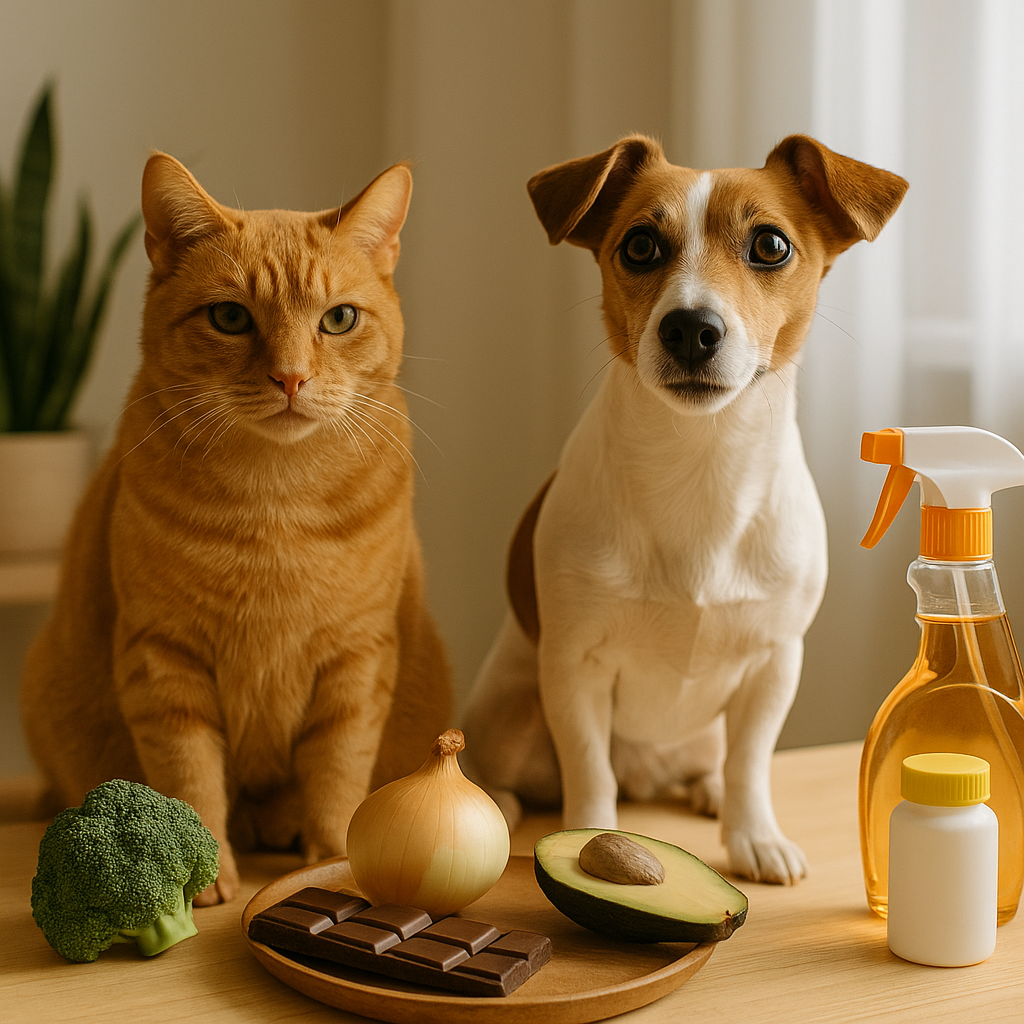
As pet owners, ensuring the safety and well-being of our furry companions is paramount. While we often focus on providing nutritious food and a loving environment, it's equally important to be aware of common foods and household items that can pose serious health risks to dogs and cats. This guide highlights some of the most toxic substances found in our homes and offers practical advice to keep your pets safe.
Toxic Foods for Dogs and Cats
Chocolate and Caffeine
Chocolate contains theobromine and caffeine, both of which are toxic to pets. The darker the chocolate, the higher the concentration of these substances. Ingesting chocolate can lead to vomiting, diarrhea, rapid breathing, increased heart rate, and seizures. Similarly, caffeine found in coffee, tea, and energy drinks can cause restlessness, rapid breathing, heart palpitations, and muscle tremors in pets. It's crucial to keep all chocolate products and caffeinated beverages out of reach of your animals.
Grapes and Raisins
Grapes and raisins can cause sudden kidney failure in dogs, and the exact toxic mechanism remains unknown. Even small amounts can be harmful, leading to symptoms like vomiting, diarrhea, lethargy, and decreased appetite. While cats are less commonly affected, it's best to avoid offering these fruits to any pet. Always store grapes and raisins securely and be cautious of foods that may contain them, such as baked goods and trail mixes.
Onions, Garlic, and Related Foods
Onions, garlic, leeks, chives, and shallots contain compounds that can damage red blood cells in pets, leading to anemia. Both raw and cooked forms are dangerous, and symptoms may include vomiting, diarrhea, weakness, and pale gums. Cats are particularly sensitive to these foods. Ensure that pets do not have access to dishes seasoned with these ingredients and avoid feeding them table scraps that may contain them.
Xylitol
Xylitol is a sugar substitute found in sugar-free gum, candies, baked goods, and some peanut butters. In dogs, xylitol can cause a rapid release of insulin, leading to hypoglycemia (low blood sugar), seizures, liver failure, and even death. Symptoms can occur within 30 minutes of ingestion and include vomiting, loss of coordination, and lethargy. Always check ingredient labels and keep xylitol-containing products out of your pet's reach.
Alcohol
Alcohol consumption can be extremely dangerous for pets, leading to symptoms such as vomiting, diarrhea, difficulty breathing, tremors, and even coma. Even small amounts can be harmful, so it's essential to keep alcoholic beverages and foods containing alcohol away from pets. Be mindful during social gatherings where drinks may be left unattended.
Household Hazards
Cleaning Products
Many household cleaners contain chemicals that can be toxic to pets if ingested or inhaled. Products like bleach, ammonia, and disinfectants can cause gastrointestinal upset, respiratory issues, and chemical burns. Always store cleaning supplies in secure cabinets and ensure that surfaces are dry before allowing pets access. Consider using pet-safe cleaning products to minimize risks.
Medications
Human medications, including over-the-counter drugs like ibuprofen and acetaminophen, can be harmful to pets. Ingestion can lead to serious health issues such as gastrointestinal ulcers, kidney failure, and liver damage. Always store medications securely and never administer human drugs to pets without veterinary guidance. If you suspect your pet has ingested medication, contact your veterinarian immediately.
Plants and Flowers
Certain plants and flowers can be toxic to pets. For example, lilies are highly toxic to cats and can cause kidney failure even in small amounts. Other hazardous plants include azaleas, oleander, and sago palms. Before bringing plants into your home or garden, research their toxicity to pets and opt for pet-safe varieties. If you suspect your pet has ingested a toxic plant, seek veterinary care promptly.
Electrical Cords
Pets, especially puppies and kittens, may chew on electrical cords, posing a risk of electrocution. To prevent this, use cord protectors, keep cords out of reach, and provide appropriate chew toys to deter this behavior. Regularly inspect cords for signs of chewing and replace damaged ones immediately.
Small Objects
Items like coins, buttons, rubber bands, and small toys can be choking hazards or cause intestinal blockages if swallowed. Keep such objects out of your pet's reach and supervise playtime with toys that are appropriately sized for your pet. Regularly check your home for small items that may have fallen to the floor.
Preventive Measures
- Education: Familiarize yourself with common toxins and hazards to proactively protect your pets.
- Secure Storage: Keep all hazardous substances, including foods, medications, and cleaning products, in secure locations inaccessible to pets.
- Supervision: Monitor your pets, especially in new environments or during social events where hazards may be present.
- Pet-Proofing: Regularly inspect your home for potential dangers and make necessary adjustments to ensure a safe environment.
Conclusion
Being aware of the foods and household items that can harm your pets is a crucial aspect of responsible pet ownership. By taking preventive measures and staying informed, you can create a safe and loving environment for your furry friends. If you ever suspect your pet has ingested a toxic substance, contact your veterinarian immediately.
Ready to find trusted local care for your pet? Explore sitters and boarders on KasPaws.
You might also like
Senior Pet Care: Keeping Aging Dogs and Cats Healthy
Learn how to adapt your care routines to keep aging dogs and cats healthy and comfortable in their senior years.
3 min read

Traveling with Your Pet: Tips for Safe and Stress-Free Trips
Traveling with your pet can be rewarding but requires careful planning. Learn essential tips for a safe and stress-free journey with your furry...
3 min read
Toxic Foods and Household Hazards Every Pet Owner Should Know
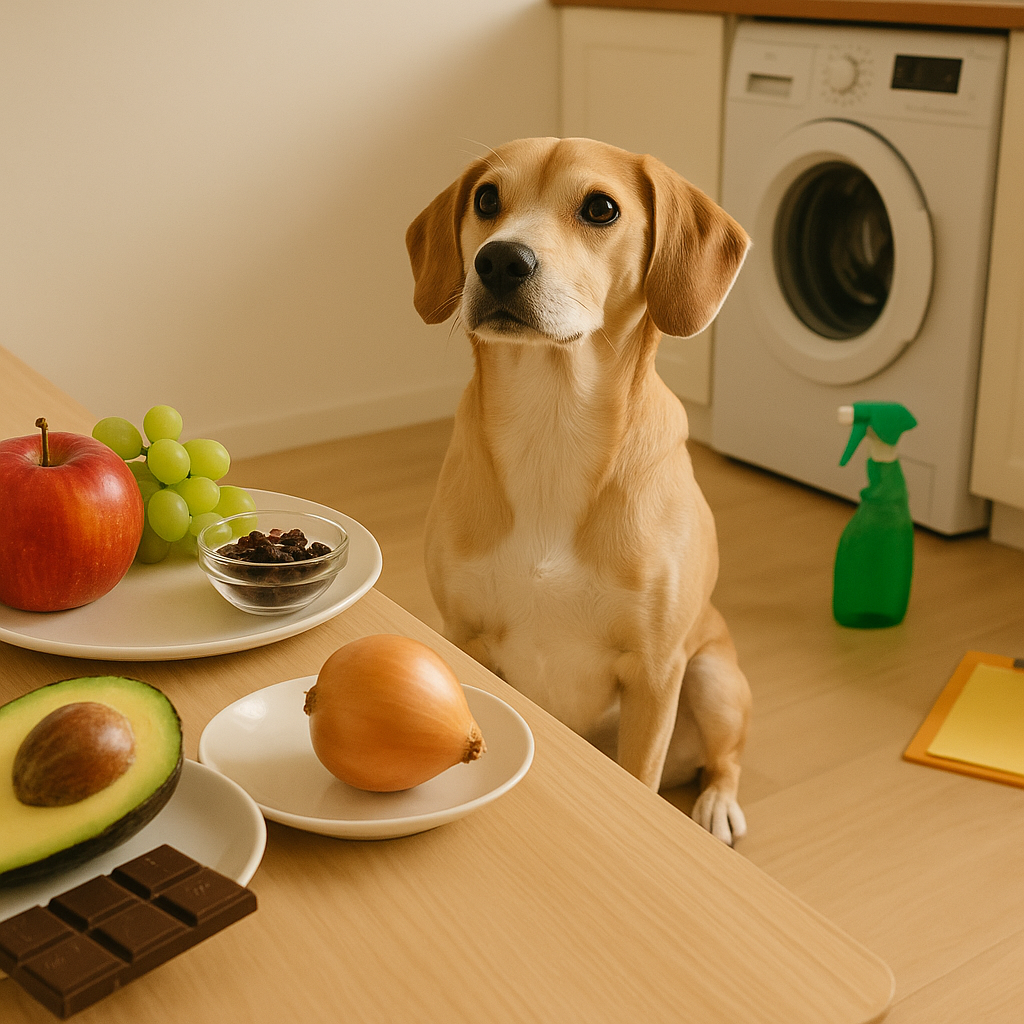
Learn about common toxic foods and household hazards that pose serious health risks to dogs and cats, and discover practical tips to keep your pets...
3 min read