Toxic Foods and Household Hazards Every Pet Owner Should Know
By KasPaws Team · September 8, 2026 · 3 min read
Introduction
As pet owners, ensuring the safety and well-being of our furry companions is paramount. While we often focus on providing them with love, exercise, and proper nutrition, it's equally important to be aware of common foods and household items that can pose serious health risks to dogs and cats. This guide highlights some of the most hazardous substances found in our homes and offers practical advice to keep your pets safe.
Toxic Foods for Dogs and Cats
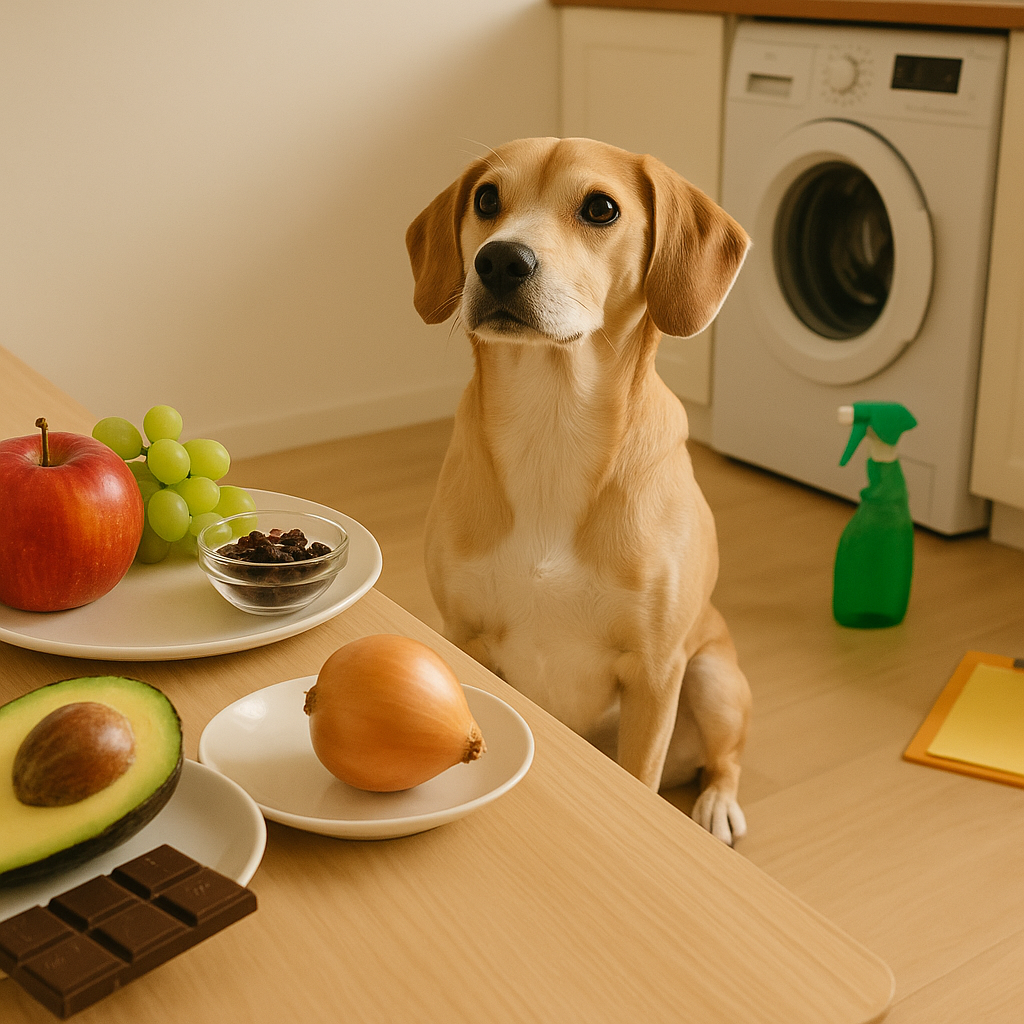
Chocolate
Why It's Dangerous:
Chocolate contains theobromine and caffeine, both of which are toxic to dogs and cats. Theobromine is metabolized slowly in pets, leading to potential poisoning.
Symptoms:
- Vomiting
- Diarrhea
- Rapid breathing
- Increased heart rate
- Seizures
Preventive Measures:
- Store chocolate products out of reach.
- Educate family members about the dangers of feeding chocolate to pets.
Grapes and Raisins
Why They're Dangerous:
Even small amounts of grapes and raisins can cause acute kidney failure in dogs. The exact toxic substance is unknown, making all exposures risky.
Symptoms:
- Vomiting
- Lethargy
- Decreased urination
Preventive Measures:
- Avoid leaving grapes or raisins within reach.
- Be cautious with foods containing these fruits.
Onions and Garlic
Why They're Dangerous:
Onions, garlic, leeks, and chives contain compounds that can damage red blood cells in both dogs and cats, leading to anemia.
Symptoms:
- Weakness
- Pale gums
- Rapid breathing
Preventive Measures:
- Keep all forms of onions and garlic away from pets.
- Check ingredient lists for these items before sharing human food.
Xylitol
Why It's Dangerous:
Xylitol is a sugar substitute found in sugar-free gum, candies, and some peanut butters. In dogs, it can cause a rapid release of insulin, leading to hypoglycemia and potential liver failure.
Symptoms:
- Vomiting
- Loss of coordination
- Seizures
Preventive Measures:
- Store xylitol-containing products securely.
- Read labels carefully before offering human food to pets.
Alcohol
Why It's Dangerous:
Alcohol can cause severe toxicity in pets, even in small amounts. It affects the central nervous system and can lead to respiratory failure.
Symptoms:
- Vomiting
- Disorientation
- Depressed breathing
Preventive Measures:
- Keep alcoholic beverages out of reach.
- Clean up spills immediately.
Household Hazards
Cleaning Products
Why They're Dangerous:
Many cleaning products contain chemicals like bleach and ammonia, which can be harmful if ingested, inhaled, or come into contact with a pet's skin.
Symptoms:
- Drooling
- Vomiting
- Respiratory distress
Preventive Measures:
- Store cleaning products in cabinets.
- Use pet-safe cleaning alternatives when possible.
Plants
Why They're Dangerous:
Certain household plants are toxic to pets. For example, lilies are extremely poisonous to cats and can cause kidney failure.
Symptoms:
- Vomiting
- Lethargy
- Loss of appetite
Preventive Measures:
- Research plant toxicity before bringing them into your home.
- Keep toxic plants out of reach or opt for pet-safe varieties.
Medications
Why They're Dangerous:
Human medications, including over-the-counter drugs like acetaminophen and ibuprofen, can be lethal to pets.
Symptoms:
- Vomiting
- Lethargy
- Organ damage
Preventive Measures:
- Store all medications securely.
- Never administer human medications to pets without veterinary guidance.
Essential Oils
Why They're Dangerous:
Some essential oils, such as tea tree and peppermint, can be toxic to pets if ingested or applied to their skin.
Symptoms:
- Drooling
- Vomiting
- Tremors
Preventive Measures:
- Use essential oils with caution.
- Ensure diffusers are out of reach.
Conclusion
Being aware of these common toxic foods and household hazards is crucial for every pet owner. By taking proactive measures and staying informed, you can create a safer environment for your beloved dogs and cats. If you suspect your pet has ingested a toxic substance, contact your veterinarian or a pet poison hotline immediately.
Ready to find trusted local care for your pet? Explore sitters and boarders on KasPaws.
You might also like

Choosing a Trustworthy Pet Sitter: Essential Tips and Questions
Learn how to select a trustworthy pet sitter with essential tips and key questions to ask before booking.
3 min read
Pet Insurance: How It Works and Is It Worth It?
Explore how pet insurance works, its costs, and whether it's a worthwhile investment for your dog or cat.
2 min read

Choosing a Trustworthy Pet Sitter: Essential Tips and Questions
Ensure your pet's safety and comfort by choosing a trustworthy pet sitter. Learn essential tips and questions to ask before booking.
3 min read