Home Dog Boarding: Essential Questions and Preparation Tips
By KasPaws Team · October 3, 2026 · 4 min read
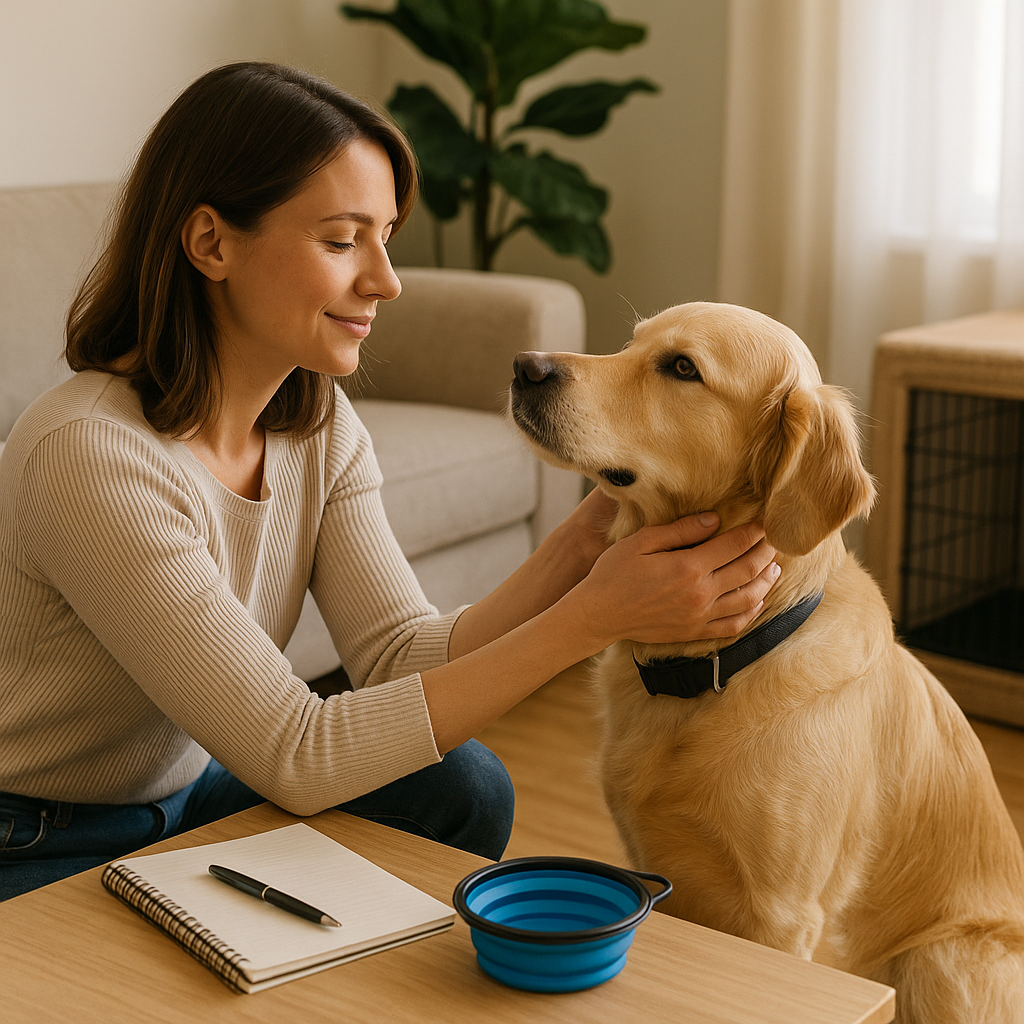
Leaving your dog in someone else's care can be a daunting experience, especially if it's their first time away from home. Proper preparation and asking the right questions can ensure a smooth and stress-free boarding experience for both you and your furry friend. This guide will help you navigate the process of selecting a suitable home dog boarding service and preparing your dog for their stay.
Key Questions to Ask Before Choosing a Home Dog Boarding Service
Selecting the right boarding service is crucial for your dog's well-being. Here are essential questions to consider:
1. What Are Your Vaccination Requirements?
Reputable boarding facilities typically require up-to-date vaccinations to ensure the health and safety of all animals in their care. Common requirements include:
- Rabies
- Distemper (DHPP)
- Bordetella (Kennel Cough)
Some facilities may also require the canine influenza vaccine. Always confirm the specific vaccination requirements well in advance to allow time for any necessary updates. (afinderly.com)
2. How Are Dogs Grouped and Supervised?
Understanding how the facility manages dog interactions is vital. Inquire about:
- Grouping Criteria: Are dogs grouped by size, temperament, or play style?
- Supervision: Is there always staff present during group play or outdoor time?
Proper grouping and supervision ensure a safe and enjoyable environment for your dog. (dogwalkerranch.com)
3. What Is the Daily Routine?
A consistent routine helps dogs feel secure. Ask about:
- Feeding Schedules: Are meal times consistent with your dog's routine?
- Exercise and Play: How often are dogs exercised, and what types of activities are offered?
- Rest Periods: Are there designated times for rest and relaxation?
Knowing the daily schedule can help you assess if the facility aligns with your dog's needs. (zoomroom.com)
4. How Do You Handle Emergencies?
Emergencies can happen. Ensure the facility has clear protocols by asking:
- Veterinary Care: Is there a vet on-call or a nearby clinic they use?
- Owner Notification: How and when will you be informed if an issue arises?
- Emergency Contacts: Do they require an emergency contact other than yourself?
Clear emergency procedures provide peace of mind while you're away. (animalpeoplecompany.com)
5. What Are the Sleeping Arrangements?
Comfortable sleeping quarters are essential. Inquire about:
- Sleeping Areas: Are dogs crated, in kennels, or free to roam?
- Bedding: Is bedding provided, or should you bring your own?
- Overnight Supervision: Is staff present overnight to monitor the dogs?
Understanding the sleeping setup ensures it aligns with your dog's comfort preferences. (dogwalkerranch.com)
Preparing Your Dog for Their Boarding Stay
Once you've selected a suitable boarding service, proper preparation can make the transition smoother for your dog.
1. Schedule a Trial Stay
Before a prolonged stay, consider arranging a short trial visit. This helps your dog acclimate to the new environment and allows you to observe how they adjust. (barksocial.com)
2. Maintain Consistent Routines
Dogs thrive on routine. In the days leading up to the boarding stay:
- Feeding: Keep meal times consistent.
- Exercise: Maintain regular walk and play schedules.
- Sleep: Ensure your dog gets adequate rest.
Consistency helps reduce anxiety and makes the boarding experience less stressful. (btsk9.com)
3. Pack Familiar Items
Bringing items from home can provide comfort. Consider packing:
- Favorite Toy: A familiar toy can be soothing.
- Unwashed Blanket or T-Shirt: Your scent can provide reassurance.
- Regular Food: Sudden diet changes can upset your dog's stomach. Pack enough of their usual food for the entire stay. (parkwood.pet)
4. Provide Clear Instructions
Write down detailed instructions for the boarding staff, including:
- Feeding Schedule and Portions
- Medication Dosages and Timing
- Emergency Contact Information
- Behavioral Traits: Note any quirks or triggers your dog may have.
Clear communication ensures your dog's needs are met accurately. (petuniapets.com)
5. Keep Goodbyes Short and Positive
Long, emotional farewells can increase your dog's anxiety. Instead:
- Stay Calm: Project confidence and positivity.
- Quick Goodbye: Keep the farewell brief and upbeat.
Dogs often pick up on their owner's emotions, so a calm demeanor can help them feel more at ease. (patilee.com)
After the Boarding Stay
Once you bring your dog home:
- Monitor Behavior: It's normal for dogs to be tired after a stay. Allow them time to rest.
- Gradual Return to Routine: Ease back into your regular schedule.
- Address Any Issues: If you notice behavioral changes, discuss them with the boarding facility to understand what might have occurred.
Proper post-boarding care ensures a smooth transition back to home life. (petuniapets.com)
By asking the right questions and adequately preparing your dog, you can ensure a positive boarding experience. Remember, the goal is to make the stay as comfortable and stress-free as possible for your beloved pet.
Ready to find trusted local care for your pet? Explore sitters and boarders on KasPaws.
You might also like
Enhancing Your Dog's Health with Probiotics
Discover how probiotics can enhance your dog's digestive health, boost immunity, and improve overall well-being.
4 min read
Traveling With Your Pet: Tips for Safe, Stress-Free Trips
Planning to travel with your pet? Learn essential tips for safe, stress-free trips by car or plane, plus how to keep your furry friend happy at your...
4 min read
Essential Tips for Boarding Your Dog at a Sitter's Home
Discover essential tips for boarding your dog at a sitter's home, including key questions to ask, safety checks, and setting expectations for a...
3 min read