Dog Walking: Health Benefits and Exercise Needs
By KasPaws Team · August 8, 2026 · 4 min read
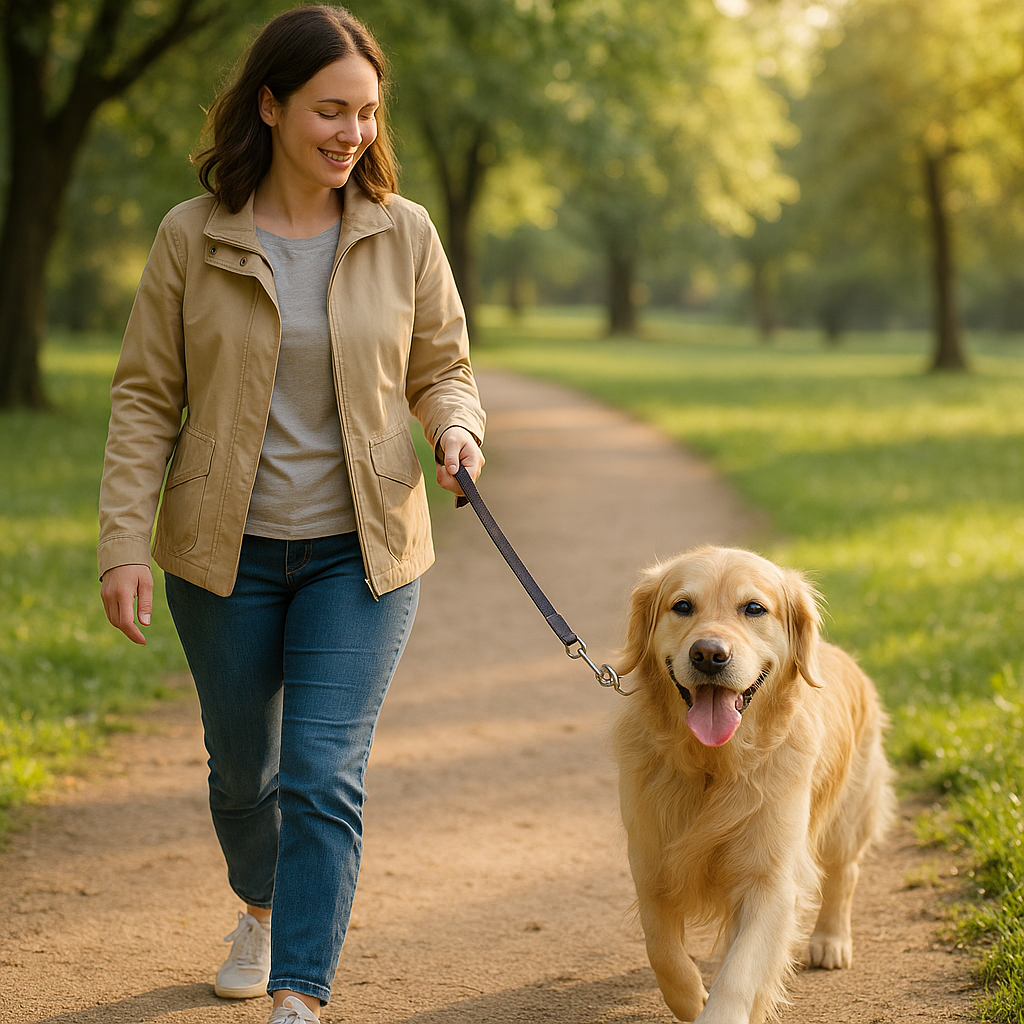
The Importance of Regular Dog Walks
Walking your dog is more than just a daily chore; it's a vital component of their overall health and well-being. Regular walks provide numerous physical and mental benefits, ensuring your canine companion remains happy and healthy.
Physical Health Benefits of Dog Walking
Weight Management and Obesity Prevention
Obesity is a common issue among dogs, leading to various health problems such as diabetes, heart disease, and joint issues. Regular walks help maintain a healthy weight by burning calories and boosting metabolism. According to the American Kennel Club, most healthy adult dogs require between 30 minutes to two hours of exercise daily, depending on their breed and energy level. (akc.org)
Cardiovascular Health
Consistent physical activity strengthens the heart and improves circulation. A study published in the Journal of Science and Medicine in Sport found that dog ownership and regular dog walking are associated with better physical function in mid- to older-aged adults. (sciencedirect.com) This suggests that the benefits of dog walking extend to both dogs and their owners.
Joint Health and Mobility
Regular, moderate exercise like walking helps keep joints flexible and muscles strong, reducing the risk of arthritis and other mobility issues. It's essential to tailor the intensity and duration of walks to your dog's age and health status to prevent overexertion.
Mental and Behavioral Benefits of Dog Walking
Mental Stimulation
Walks expose dogs to various sights, sounds, and smells, providing essential mental stimulation. This sensory enrichment helps prevent boredom, which can lead to destructive behaviors at home.
Socialization
Regular walks offer opportunities for dogs to encounter other animals and people, enhancing their social skills. Proper socialization reduces anxiety and aggression, leading to a more well-adjusted pet.
Reduction of Behavioral Problems
Adequate physical activity helps alleviate common behavioral issues such as excessive barking, chewing, and digging. A well-exercised dog is typically calmer and less likely to engage in undesirable behaviors.
Determining Your Dog's Exercise Needs
The amount of exercise a dog requires varies based on several factors, including breed, age, and health status.
Breed Considerations
Different breeds have varying energy levels and exercise requirements. For instance:
High-Energy Breeds: Border Collies, Australian Shepherds, and Labrador Retrievers often need 1 to 2 hours of exercise daily. (canine.fit)
Moderate-Energy Breeds: Breeds like Beagles and Cocker Spaniels may require 45 to 60 minutes of daily activity.
Low-Energy Breeds: Bulldogs and Basset Hounds might be content with 30 minutes of gentle exercise each day.
Age Factors
Puppies: Young dogs have bursts of energy but also require ample rest. Short, frequent walks and play sessions are ideal. It's crucial to avoid overexertion to protect their developing joints.
Adult Dogs: Most adult dogs benefit from 30 minutes to 2 hours of exercise daily, depending on their breed and health.
Senior Dogs: Older dogs still need regular activity to maintain mobility but may require shorter, less intense walks. Monitoring for signs of fatigue or discomfort is essential.
Health Status
Dogs with health issues may have specific exercise needs. Always consult with a veterinarian to develop an appropriate exercise plan tailored to your dog's condition.
Tips for Effective and Safe Dog Walking
Establish a Routine
Consistent walk times help regulate your dog's internal clock, reducing anxiety and promoting better behavior.
Use Appropriate Equipment
A well-fitting harness and sturdy leash ensure safety and comfort during walks. Reflective gear is advisable for low-light conditions.
Monitor Weather Conditions
Extreme temperatures can be harmful. During hot weather, walk during cooler parts of the day and provide plenty of water. In cold conditions, consider protective clothing for your dog.
Incorporate Variety
Changing walking routes and introducing new environments keep walks interesting and mentally stimulating for your dog.
Observe Your Dog's Behavior
Pay attention to signs of fatigue, overheating, or discomfort. Adjust the length and intensity of walks accordingly to ensure your dog's safety and enjoyment.
Conclusion
Regular dog walking is a cornerstone of canine health, offering extensive physical and mental benefits. By understanding and meeting your dog's specific exercise needs, you contribute to their overall well-being and strengthen the bond you share. For those times when you're unable to walk your dog personally, consider enlisting the help of professional dog walkers. Ready to find trusted local care for your pet? Explore sitters and boarders on KasPaws.
You might also like
Dog Walking: Health Benefits and Exercise Needs
Regular dog walking is essential for your dog's physical health and mental well-being. Learn about the benefits and how to tailor exercise to your...
2 min read

Enhancing Your Dog's Gut Health with Probiotics
Discover how probiotics can enhance your dog's gut health, improve digestion, and boost immune function. Learn about selecting the right probiotic...
3 min read
Senior Pet Care: Keeping Aging Dogs and Cats Healthy
Learn how to adapt your care routines to keep aging dogs and cats healthy and comfortable in their senior years.
3 min read