Creative Enrichment Ideas for Indoor Pets: Keeping Minds and Bodies Active
By KasPaws Team · August 3, 2026 · 4 min read
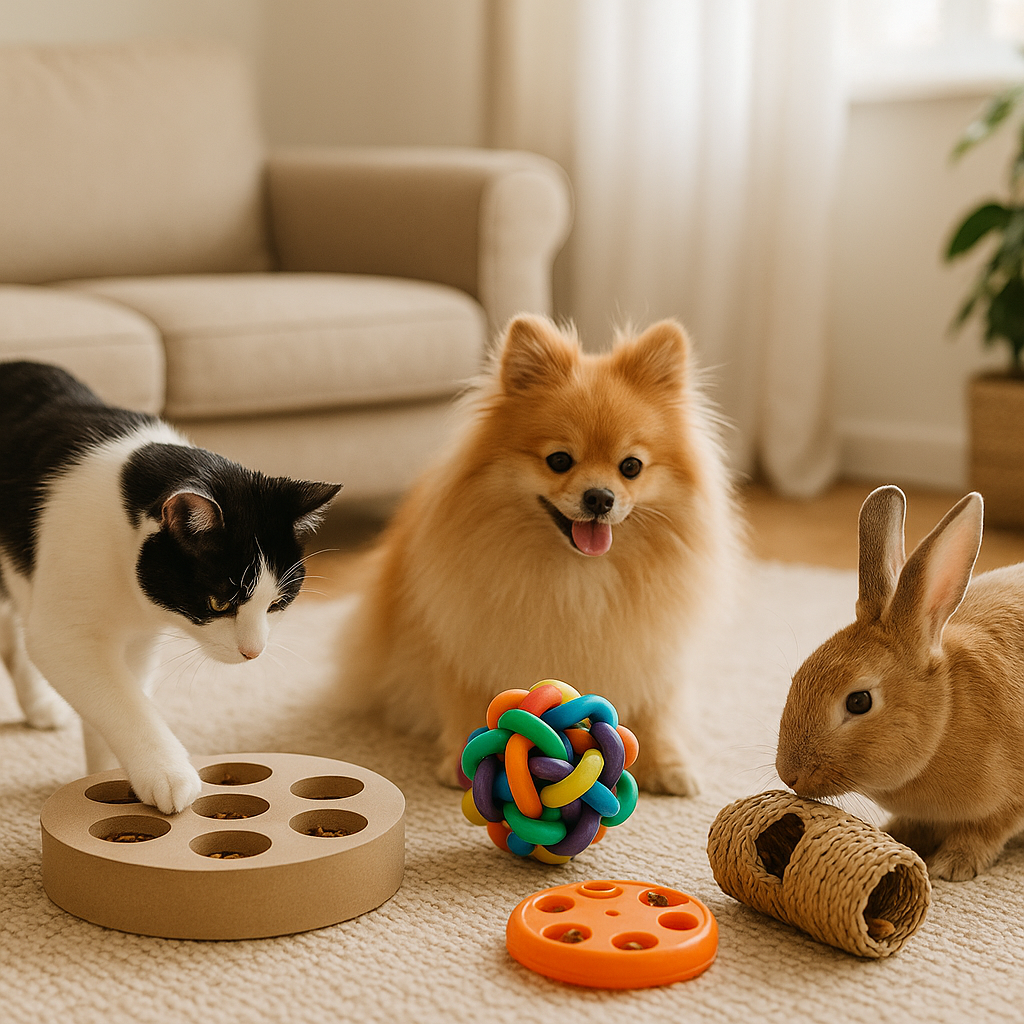
As pet parents, we all want our furry, feathered, or scaly friends to live the happiest, healthiest lives possible. For many indoor pets, however, life can sometimes become a bit monotonous. Without the excitement of the great outdoors, pets rely on us to provide them with stimulating activities that keep them mentally and physically active. If you’re looking for fun, practical ways to enrich your pet’s indoor environment, this guide is here to spark some inspiration.
Why Enrichment Matters for Indoor Pets
Enrichment isn't just about keeping pets busy—it's crucial for their well-being. Pets that lack stimulation may become bored, anxious, or even destructive. Enriching activities tap into your pet’s instincts, keep their bodies moving, and boost their overall happiness. Mental stimulation is especially important for indoor pets, as it can ward off behavioral issues and help prevent obesity.
Interactive Play for All Kinds of Pets
Playtime is one of the easiest and most effective ways to enrich your pet’s life. For cats, try wand toys, laser pointers, or even puzzle feeders that encourage them to hunt and pounce. Dogs enjoy tug-of-war, fetch, and treat-dispensing toys that make them solve a challenge before earning a reward. Don’t forget about small mammals, birds, or reptiles! Hide treats in cardboard tubes for rabbits, or hang mirrors and foraging toys in your bird’s cage to provide variety.
Rotate toys every few days to keep things exciting, and don’t be afraid to get creative with household items—crumpled paper bags, empty boxes, and safe DIY obstacle courses can all become enrichment tools with a little imagination.
Satisfying Natural Instincts Indoors
Pets have instincts that drive their behavior, and indoor environments can sometimes limit their natural outlets. To help:
- Cats: Set up vertical spaces with cat trees or shelves so kitties can climb and survey their domain. Window perches let them watch the world go by.
- Dogs: Practice scent games like hiding small treats around your home. Let your dog use their nose to find their prize! Training new cues and tricks also gives dogs a sense of purpose.
- Small pets: Hamsters, guinea pigs, or ferrets love tunnels and mazes. Rearranging cage accessories regularly can provide an ever-changing landscape to explore.
The Power of Puzzles and Food-Based Enrichment
Feeding time is prime enrichment time for many indoor pets. Slow feeders, snuffle mats, and puzzle bowls can turn a quick meal into a stimulating challenge. For cats and dogs, there are dozens of commercial puzzle toys at every difficulty level—but you can also make your own by hiding kibble in muffin tins covered with tennis balls or inside reused cardboard boxes.
For birds, try threading small chunks of fruit or vegetables onto safe skewers or stuffing pieces into wooden toys. Even reptiles benefit from food puzzles; for example, scatter leafy greens in different areas of their enclosure to encourage natural foraging.
Social and Sensory Experiences
Enrichment isn’t just about objects. Social interaction—whether with you, another pet, or even a visiting friend—keeps pets emotionally healthy. Schedule daily cuddle or brush sessions, talk to your pets, and offer gentle petting or new sounds (like streaming bird songs or nature videos). For pets comfortable with harnesses, short indoor walks or closely supervised time in a pet-safe room can be very rewarding.
Introduce new textures, smells, and safe experiences. Switch up their bedding, or try offering cardboard, paper, or new perches in their setup. Always supervise new items to ensure safety.
Adjusting Enrichment for Your Pet’s Needs
Every pet is unique! Consider age, ability, and personality when choosing enrichment activities. Senior pets might prefer softer puzzles or more gentle games, while young and energetic pets may thrive on active play and complex tasks. Watch how your pet interacts with new enrichment ideas and adjust based on what they seem to enjoy most.
Remember, you don’t need to overhaul your entire home to bring more excitement into your indoor pet’s life. Try introducing one new activity at a time and pay attention to your pet’s responses—enrichment should always be positive and never stressful.
Conclusion
Providing regular enrichment for indoor pets is an act of love that pays off in happy, healthy, and well-adjusted companions. Whether you have a dog, cat, rabbit, bird, or lizard, there’s always a new way to engage and stimulate their curious minds. By mixing up their routines and offering new experiences, you’ll help them thrive—right from the comfort of home.
You might also like
Enhancing Your Dog's Gut Health with Probiotics
Discover how probiotics can enhance your dog's gut health, improve digestion, and boost immune function. Learn about selecting the right probiotic...
3 min read

Senior Pet Care: Keeping Aging Dogs and Cats Healthy
Learn how to adapt your care routines to keep aging dogs and cats healthy and comfortable in their senior years.
3 min read

Traveling with Your Pet: Tips for Safe and Stress-Free Trips
Traveling with your pet can be rewarding but requires careful planning. Learn essential tips for a safe and stress-free journey with your furry...
3 min read